KMKumbhMela.info Editorial TeamChecked on Fri 16 Oct 2026
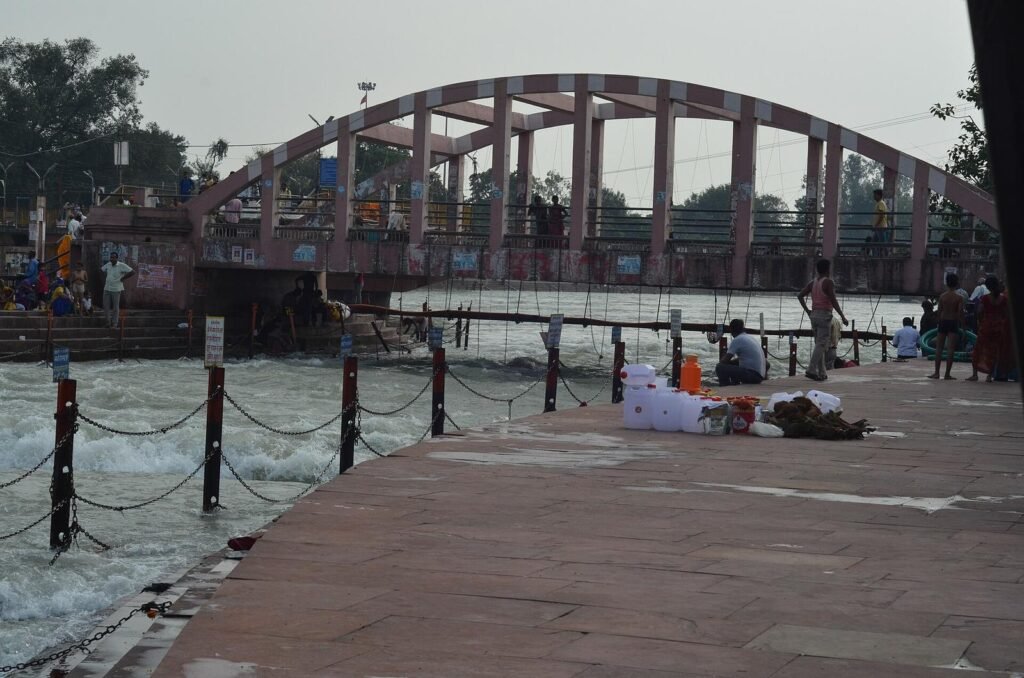
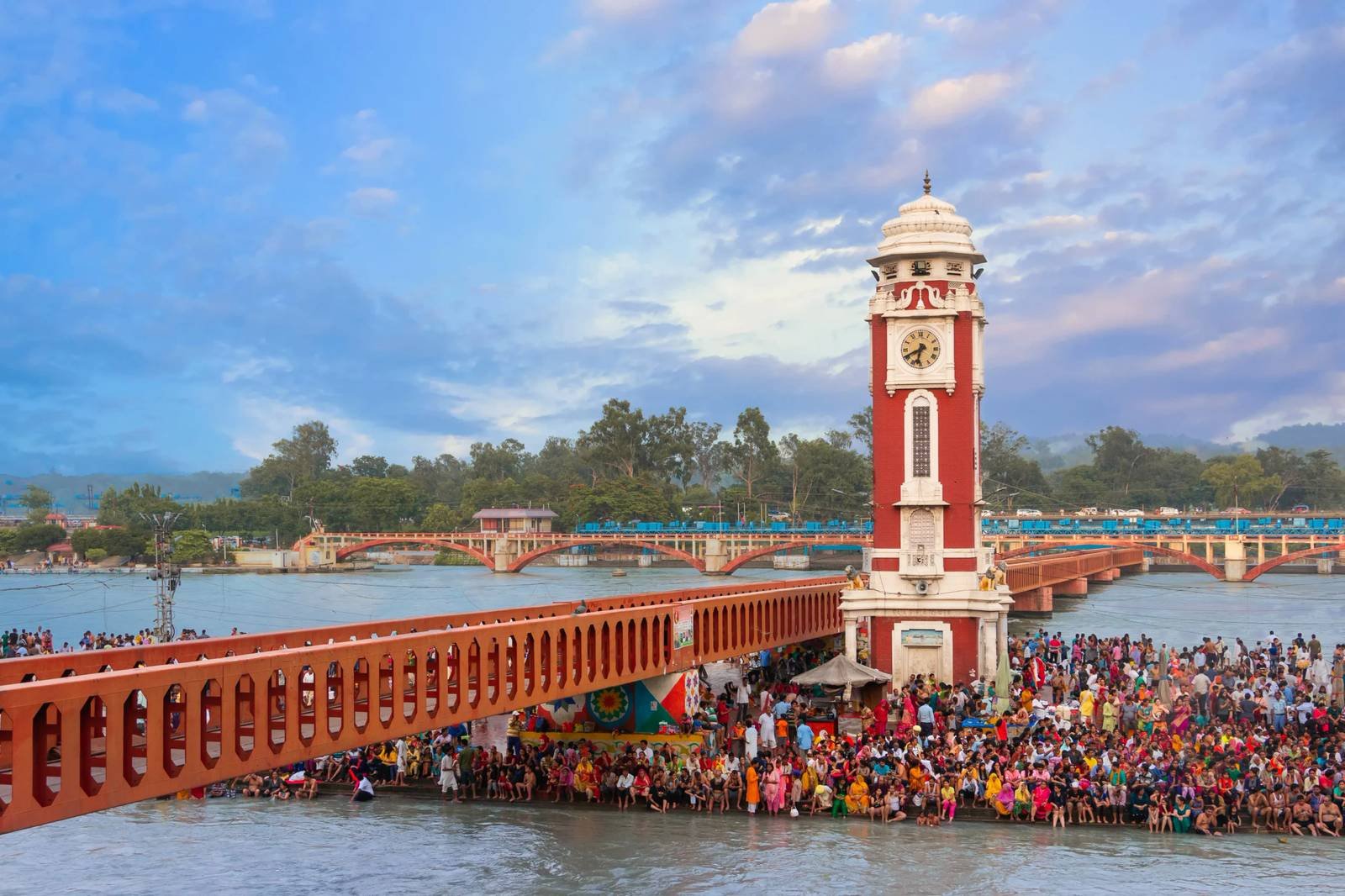
Har Ki Pauri is the best-known ghat on the Ganga in Haridwar and the main bathing place of the Haridwar Kumbh. The district administration describes it as a major and popular ghat, and its Brahmakund section is where, according to tradition, drops of amrit fell.
EvergreenChecked on Fri 16 Oct 2026
The place and its traditions do not change from year to year. The 2027 Amrit Snan dates are Provisional, and the 2027 arrangements for this ghat (entry routes, timings, crowd control) are not announced yet.
On an ordinary day pilgrims come here to bathe and to watch the Ganga aarti. On the big Kumbh bathing days the official plan for that day decides who bathes here, and when.
Har Ki Pauri at a glance
Where
On the Ganga in Haridwar, Uttarakhand. Chandi Ghat is across the river from it.1,2
Known for
Haridwar's main bathing ghat. Its Brahmakund section is linked by tradition with the drops of amrit.1,3,4
Daily ritual
Ganga aarti twice a day, the Mangala aarti at sunrise and the Shringar aarti at sunset, organised by Shri Ganga Sabha.5,6
Steps and access
Not published yet. No official source describes the steps, railings or step-free access.
Nearest official help point
Proposed on the official Kumbh map: the nearest lost-and-found points are in sectors Lal Ji Wala-14 and Neeldhara-09.7,8
Kumbh 2027 status
Eleven snan days listed, 14 January to 20 April 2027 (Provisional). Entry routes and timings for the ghat are not announced.9
On a Kumbh day
The official Kumbh website lists eleven snan days here, 14 January to 20 April 2027. Four are Amrit Snans (Provisional).
On the 12 April 2021 shahi snan, Har Ki Pauri was kept for the akharas from 7 am and other pilgrims bathed at the other Ganga ghats, PTI reported.
Uttarakhand Tourism translates the name as “the footsteps of gods”. Haridwar’s district history says Lord Vishnu is believed to have left his footprint on a stone set in the upper wall of Har Ki Pauri, where the Ganga touches it.
According to the same district account, drops of amrit fell into Brahmakund at Har Ki Pauri. That is why a dip in Brahmakund is held to be very auspicious, and why Haridwar holds its Kumbh when Jupiter enters Kumbha (Aquarius). The story of the amrit is told on our mythology and origin page.
The district website says the ghat was built by King Vikramaditya. The Ministry of Tourism’s Incredible India site gives the legend behind this: that he built it in memory of his brother Bharthari, who meditated here. These are traditional accounts, not settled history.
What you do here
Ganga aarti, Har Ki Pauri. Photo: Swastika Thakur, CC BY-SA 4.0, via Wikimedia Commons
Ganga aarti
Shri Ganga Sabha has organised the Ganga aarti here since 1916, at sunrise and at sunset. People gather on both banks; the evening time shifts with sunset, so ask locally.1
Morning at Har Ki Pauri. Photo: Subhankar Banerjee, CC BY-SA 4.0, via Wikimedia Commons
The dip
Pilgrims come here to bathe in the Ganga, Uttarakhand Tourism says. On the big Kumbh days, the official plan for that day decides who bathes here, and when.2
Vishnu's footprint
Haridwar's district says Lord Vishnu is believed to have left his footprint on a stone set in the upper wall of Har Ki Pauri, where the Ganga touches it.3
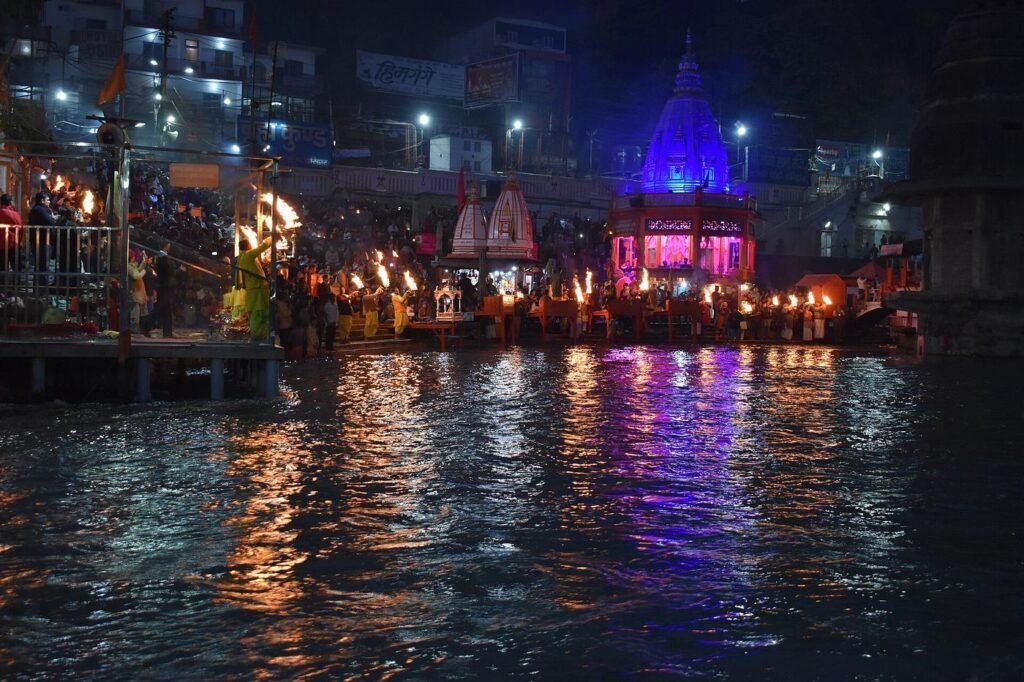
The Ganga aarti is held at Har Ki Pauri every day at dusk, with tall lamps, temple bells, conch shells and chanting, while people float small diyas and flowers on the river. The state tourism board says the ghats also have a morning aarti.
Because the evening aarti is held at dusk, its time shifts through the year. Ask locally on the day and arrive early if you want a place to sit.
Outside the Kumbh season, Har Ki Pauri is also very busy in Shravan (July to August), when Kanwar pilgrims gather here.
Photo: Swastika Thakur, CC BY-SA 4.0, via Wikimedia Commons
Photo: Subhankar Banerjee, CC BY-SA 4.0, via Wikimedia Commons
Har Ki Pauri at the evening Ganga aarti, and in the morning light
Har Ki Pauri on a Kumbh bathing day
This is the general pattern at past Kumbhs. The official plan for each 2027 bathing day will decide the details, including which ghats are open.
The four Amrit Snans of 2027 are in the table above. Haridwar has many other bathing ghats; the Haridwar ghats guide explains the wider holy area.
What is planned for 2027, and what is not announced
In a September 2025 review, the Chief Minister directed officials to arrange aarti viewing and seating for pilgrims at Har Ki Pauri, to build new ghats to ease crowd pressure, to repair existing ghats, and to keep lifeguards, safety ropes and motor boats at every ghat. In February 2026, foundation stones were laid for building and redeveloping ghats at several places on both banks of the Upper Ganga Canal. These are plans and works in progress, not finished facilities.
Entry and exit routes to Har Ki Pauri on each bathing day
The hours when the ghat is kept for the akharas on Amrit Snan days
Whether aarti timings change on the main bathing days
Any separate arrangement for older people or wheelchair users
In pictures
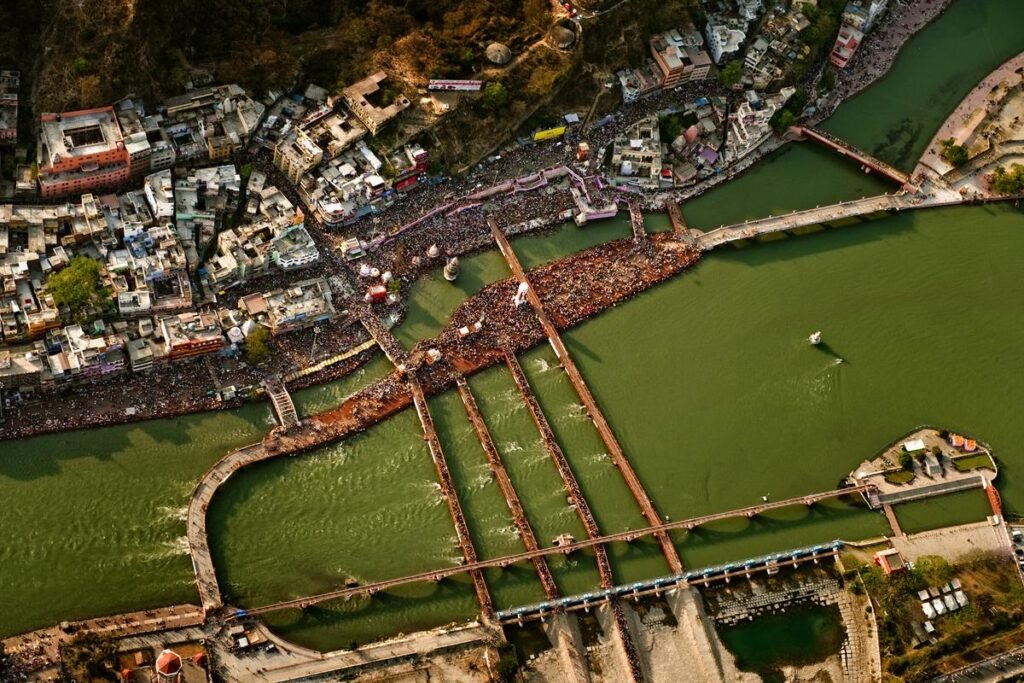
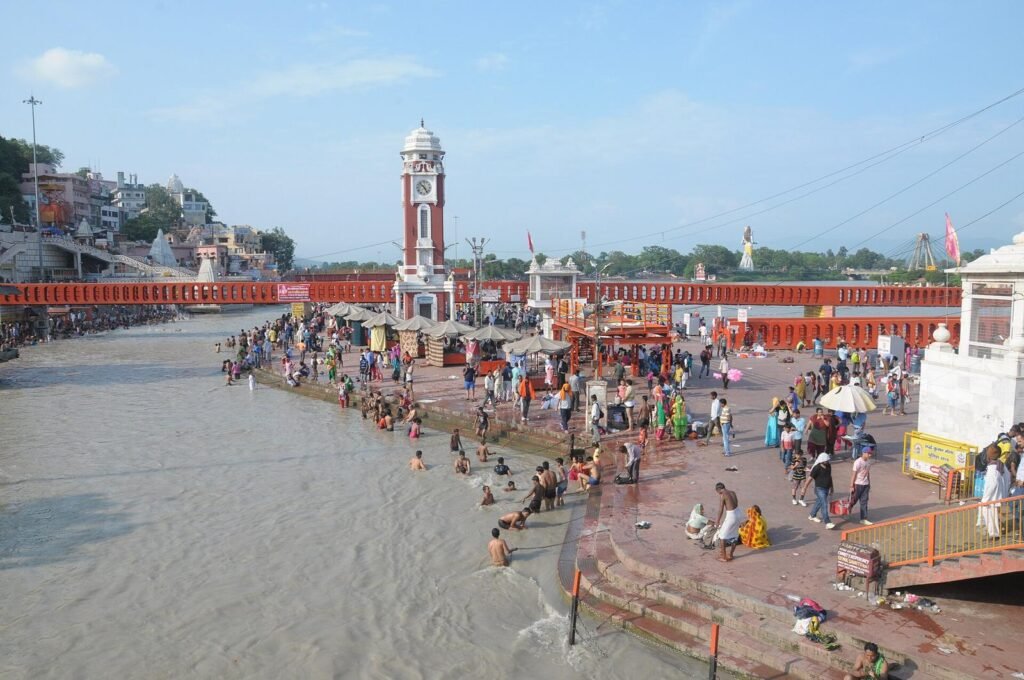
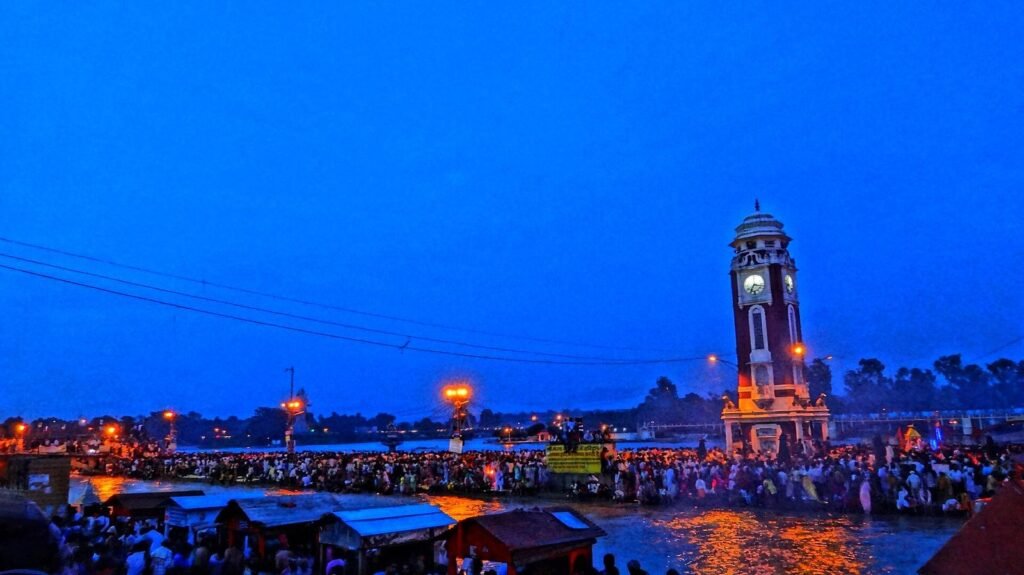
Har Ki Pauri from the air. Photo: Thakur Dalip Singh, CC BY 3.0, via Wikimedia CommonsHar Ki Pauri on a clear day. Photo: Ktorrespr, CC BY-SA 4.0, via Wikimedia CommonsEvening Ganga aarti, Har Ki Pauri. Photo: pavankunar, CC BY-SA 4.0, via Wikimedia CommonsHar Ki Pauri at blue hour. Photo: Crater11, CC BY-SA 3.0, via Wikimedia CommonsMorning at Har Ki Pauri. Photo: Subhankar Banerjee, CC BY-SA 4.0, via Wikimedia CommonsA footbridge over the Ganga, Har Ki Pauri. Photo: schwiki, CC BY-SA 4.0, via Wikimedia Commons
Where it is
Haridwar: main ghats, temples and arrival points
1Har Ki Pauri and BrahmakundGhat · This page
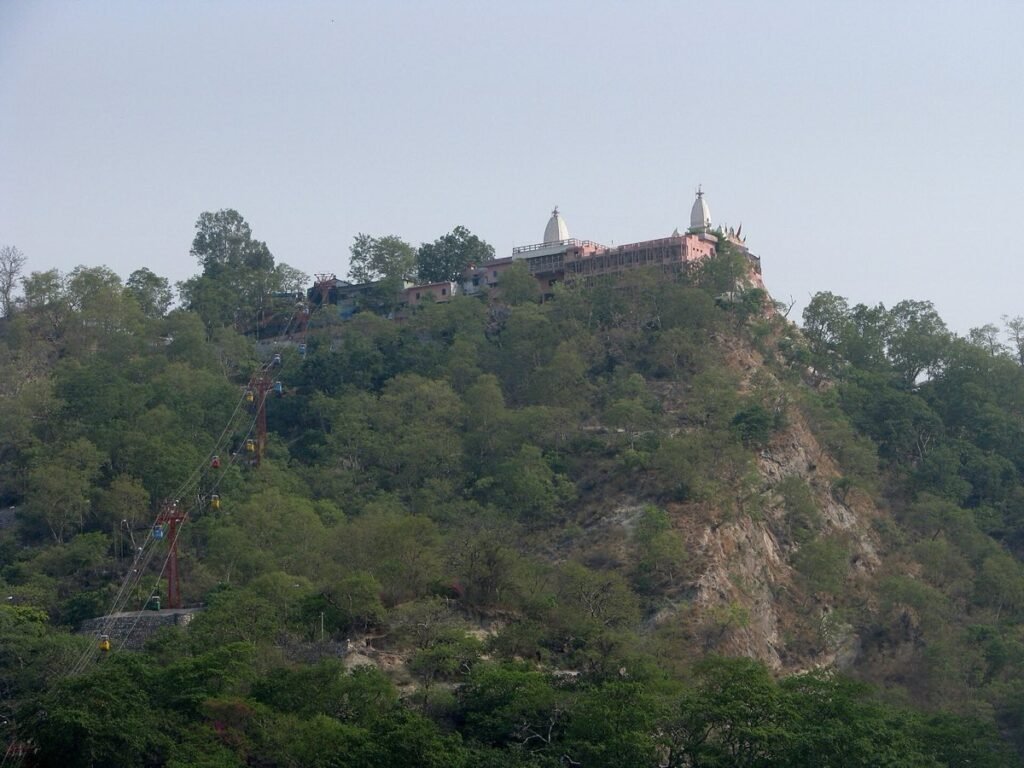
2Mansa Devi TempleTemple
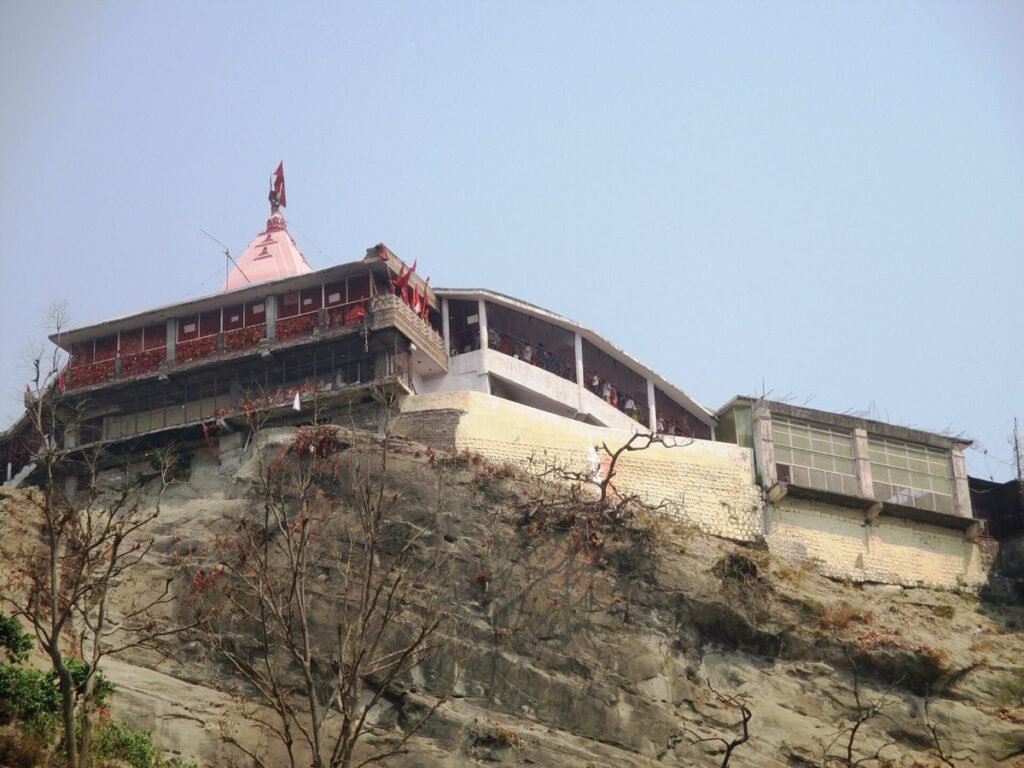
3Chandi Devi TempleTemple
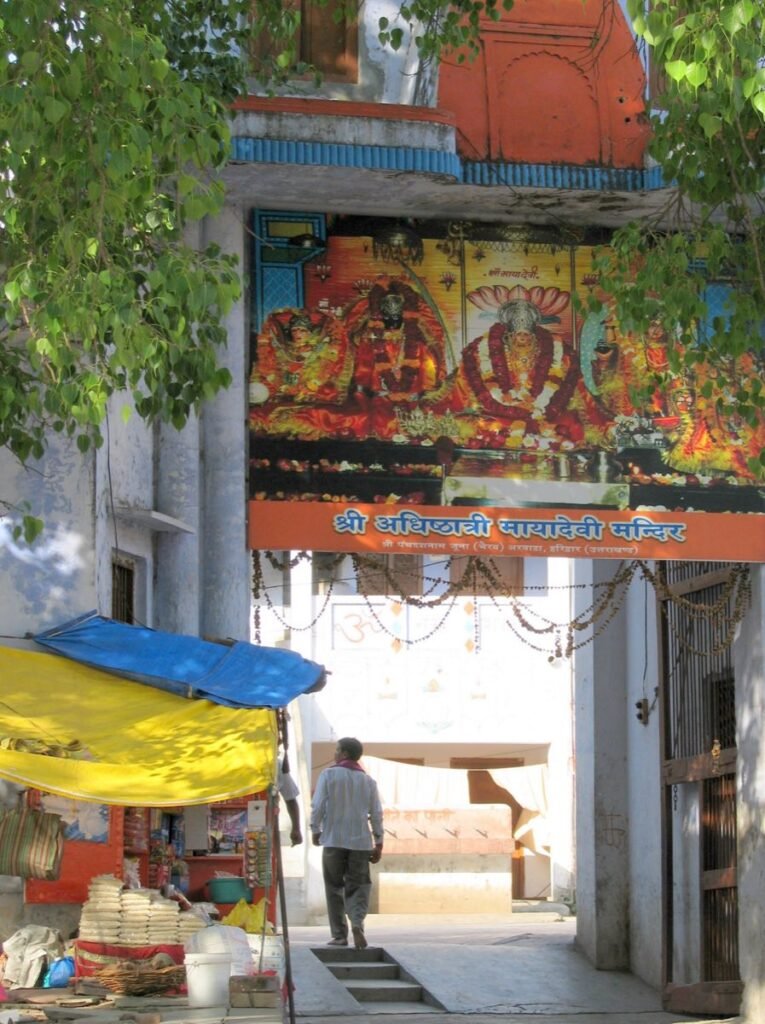
4Maya Devi TempleTemple
5Daksh Mahadev Temple, KankhalTemple
6Haridwar railway stationRailway
7Haridwar Roadways bus stationBus
A guide to where places are, not a route plan. During the mela, roads and ghats open and close by the official plan; follow police and mela directions. How to use the official Haridwar map.
Distances are in a straight line between map points, not walking routes.
Questions people ask
Is Har Ki Pauri the same as Brahmakund?
Not quite. Brahmakund is a section within Har Ki Pauri. It is the part linked by tradition with the drops of amrit, and the evening aarti is held there, according to the Ministry of Tourism.
Can ordinary pilgrims bathe at Har Ki Pauri on an Amrit Snan day?
The arrangements for 2027 are not announced. At past Kumbhs the akharas bathed first at the main ghat, and other pilgrims bathed at the ghat the police directed them to. The official plan for each day will say which ghats are open, and when.

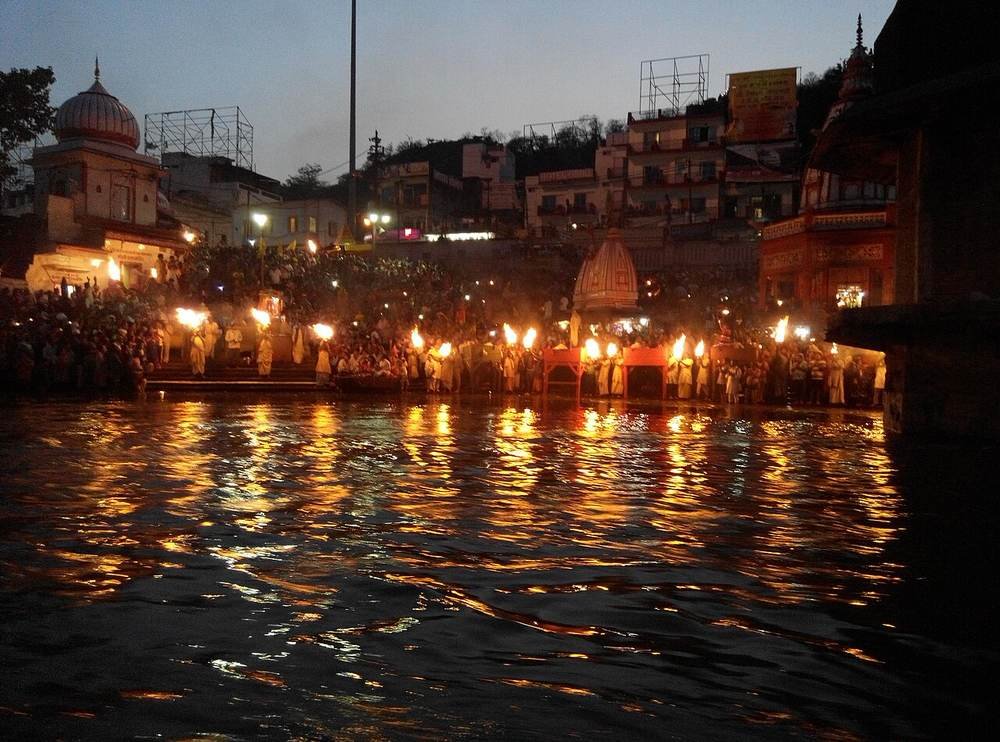 Ganga aarti, Har Ki Pauri. Photo: Swastika Thakur, CC BY-SA 4.0, via Wikimedia Commons
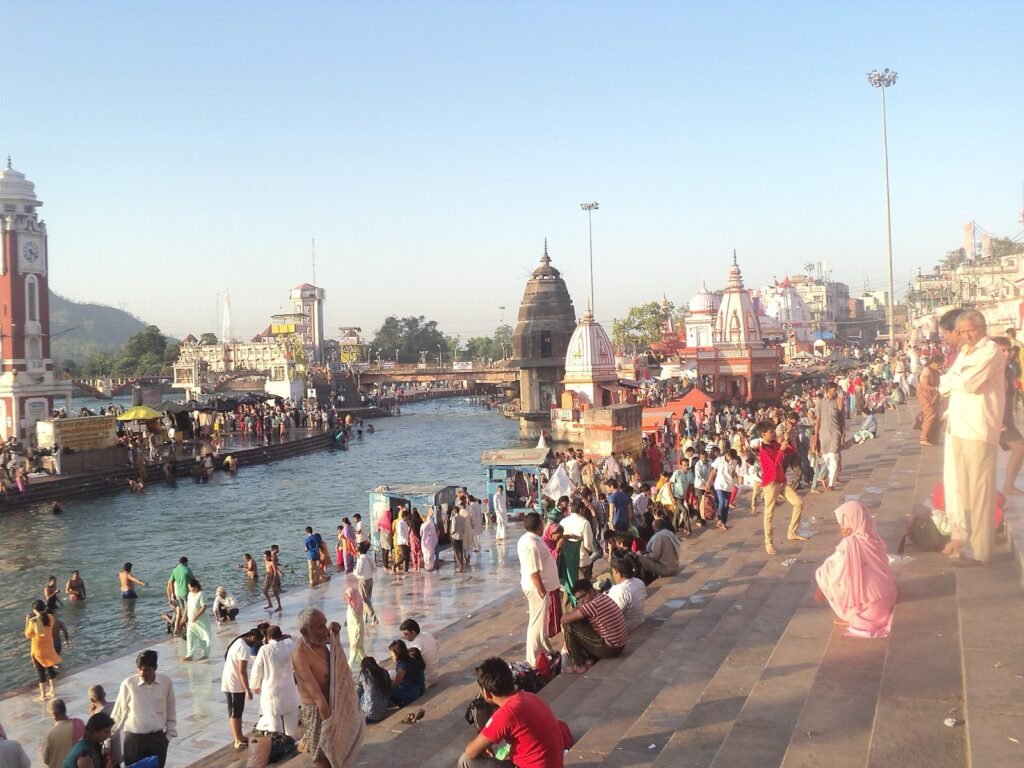 Morning at Har Ki Pauri. Photo: Subhankar Banerjee, CC BY-SA 4.0, via Wikimedia Commons