Skip to content

Independent Kumbh knowledge guide

Ujjain Simhastha

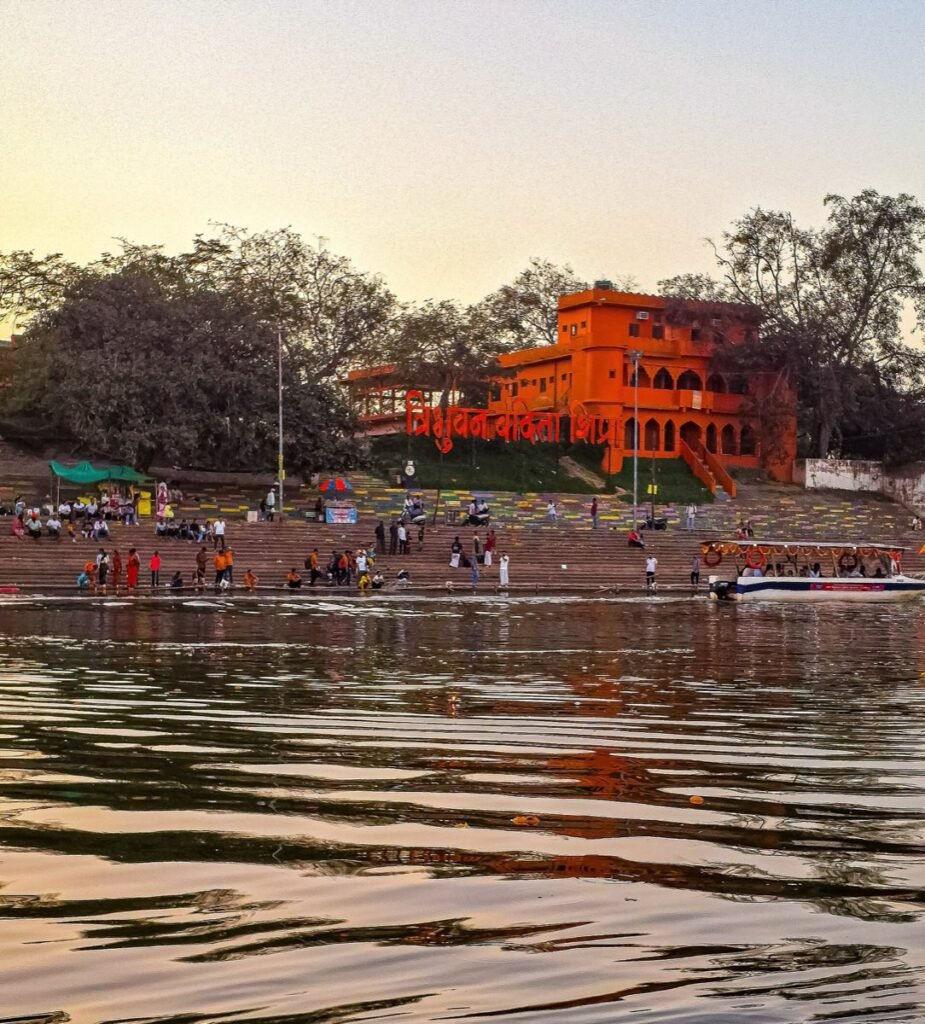
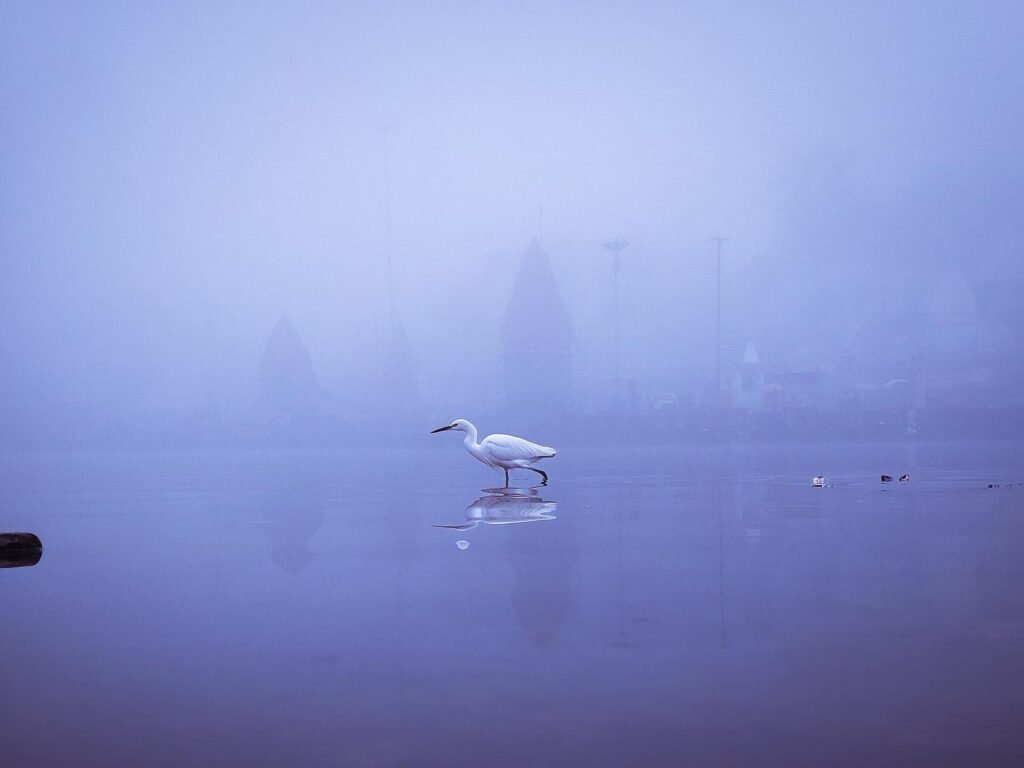
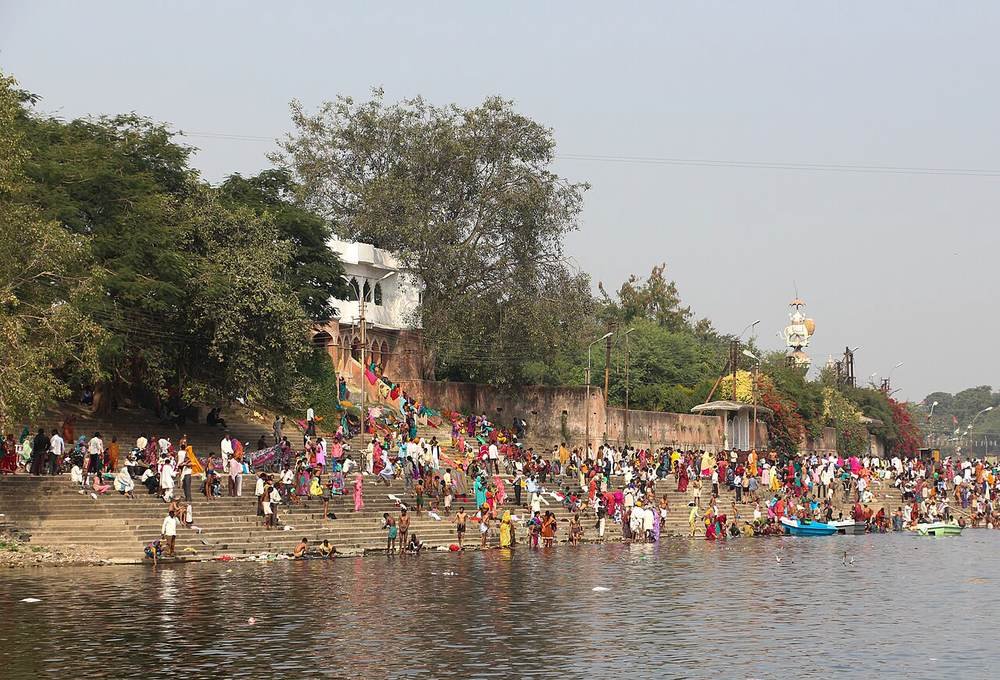
A peaceful Shipra riverfront with broad stone steps and temple silhouettes under a lavender and gold dawn sky.

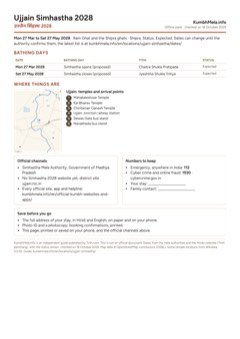
Ujjain Simhastha is the Kumbh gathering on the Shipra River at Ujjain, with Ram Ghat central to the public ceremonial bathing landscape. The event belongs to a wider sacred city whose permanent identity includes Mahakaleshwar and many Shipra-linked sites. Current Madhya Pradesh government planning material identifies Simhastha 2028 as upcoming, but this page does not claim a final bathing schedule or route plan.

Key facts

Topic Verified orientation
State Madhya Pradesh
Sacred water Shipra, also spelled Kshipra
Central Kumbh ghat Ram Ghat
Major sacred anchor Shri Mahakaleshwar Jyotirlinga
Event name Ujjain Simhastha; “Ujjain Kumbh” is common explanatory language
Current status Government planning material identifies Simhastha 2028 as upcoming; detailed operations are not asserted here

Shipra River and Ram Ghat sacred geography

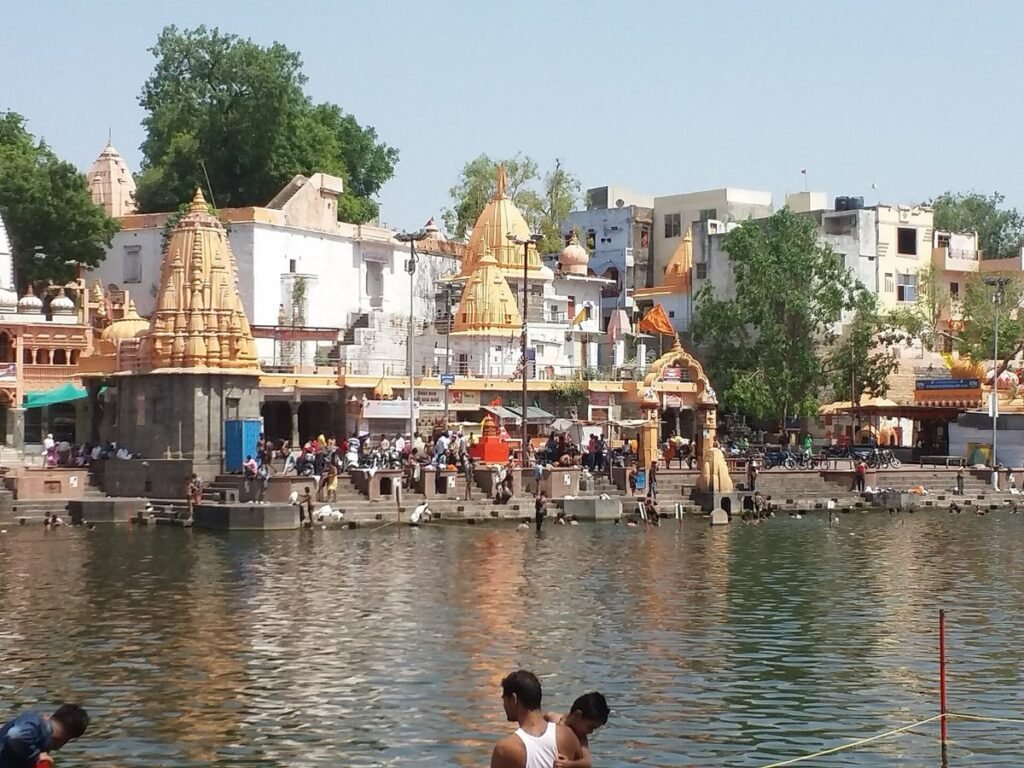
The Shipra is Ujjain’s defining Kumbh river. Ram Ghat is the central public bathing landscape in district and official temple material. Local tradition connects its name with Rama; that episode should be presented as sacred tradition rather than independently verified history.

Ujjain has several other Shipra-related sites and ghats. Their ordinary pilgrimage role does not automatically make each one an authorised Simhastha bathing or access point. Event authorities determine operational use.

Why Kumbh is held at Ujjain

The shared Kumbh tradition links Ujjain with the amrita-kalasha account. The name Simhastha is connected with the location’s Simha, or Leo, timing tradition. Official summaries describe celestial combinations, but those rules do not replace a published schedule.

Simhastha is not a fifth Kumbh location. It is the local event name also found in Nashik–Trimbakeshwar contexts. Read why Kumbh is held at four locations and the cycle guide.

History and cultural significance

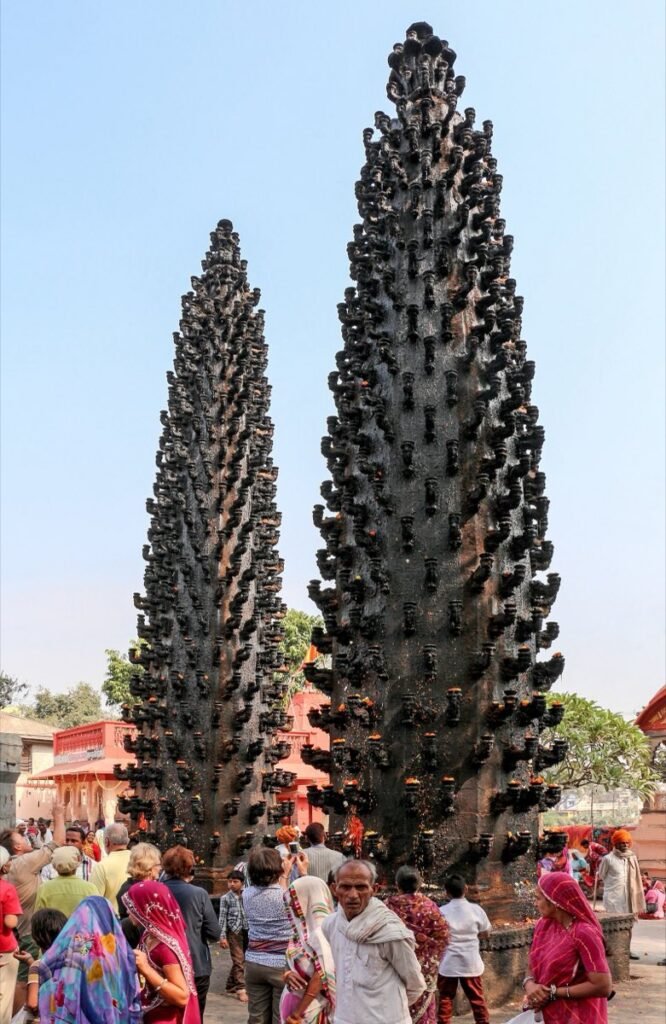
Ujjain has a layered history associated with ancient Avanti, the Malwa region, later dynasties, religious institutions, scholarship and astronomy. District material names many legendary and literary associations. Exact claims such as a fixed “5000-year” age or salvation ranking should remain attributed rather than presented as settled chronology.

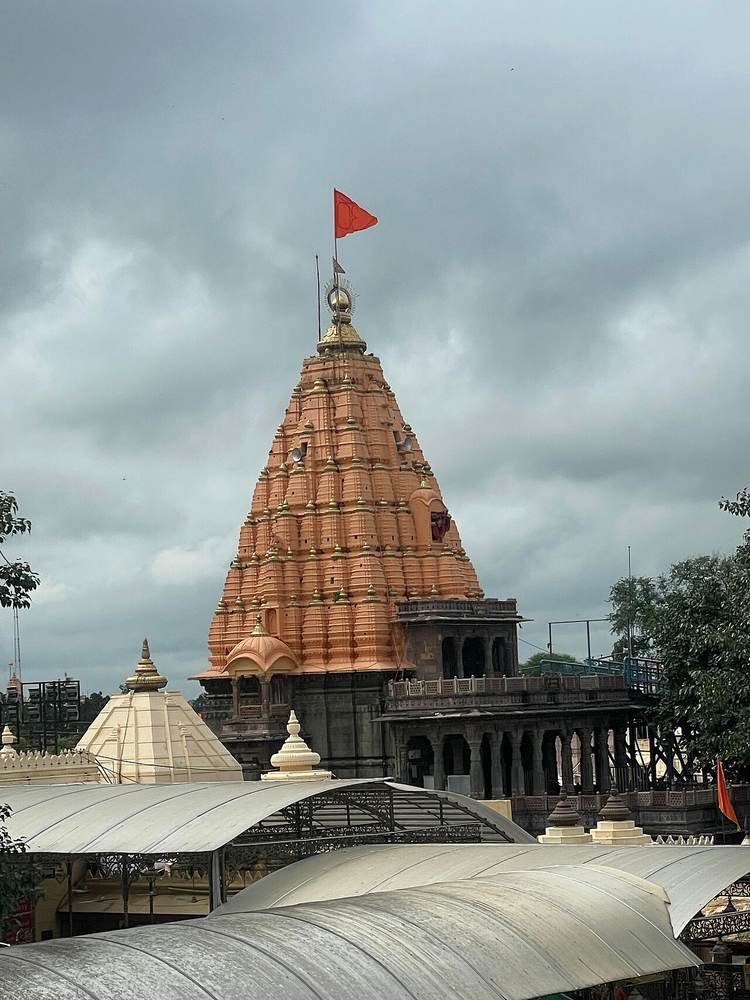
Mahakaleshwar is a major part of the city’s living sacred identity. The present temple reflects rebuilding and later patronage, so ancient devotion and present architecture are separate historical claims.

Simhastha adds a periodic temporary system of camps, processions, ghats and services to this permanent city. The last completed edition referenced in current state material is Simhastha 2016.

Major ghats and sacred sites

Ram Ghat

The central Simhastha riverfront in current official descriptions. Crowds, barriers and access may change during major bathing periods.

Mahakaleshwar Temple

One of Ujjain’s principal sacred destinations and an important part of the wider pilgrimage circuit. Temple darshan, bookings and event access require the current official temple portal.

Mangalnath and Triveni Ghat

Both belong to the wider Shipra landscape in district information. Triveni Ghat includes the Navagraha temple context; Mangalnath is linked with astronomical and religious traditions.

Kal Bhairava and other Shipra sites

Kal Bhairava is another prominent Shaiva site near the river. Its rituals should be described neutrally and with respect, not sensationalised.

Previous and future event context

Status reviewed 15 July 2026: Madhya Pradesh government planning material identifies Ujjain Simhastha 2028 as upcoming. This page does not assert bathing dates, procession routes, parking, access controls or project completion.

The current planning framework includes a green-Kumbh objective and attention to Ramghat and the historic core. That supports planning context, not a final operating plan.

Simhastha 2016 water monitoring, routes and ghats are archived evidence. They must not be copied into 2028 guidance.

Travel orientation

Ujjain is connected by rail and road. Indore is the nearest major air gateway in current official visitor information. The historic core around Ram Ghat and Mahakaleshwar can have controlled traffic and long walking routes.

Verify train service, road restrictions, temple booking, parking, shuttle and ghat access close to travel. A normal-day distance is not an event travel-time promise.

Frequently asked questions

Which river is Ujjain Simhastha held on?

The Shipra, also spelled Kshipra.

What is the main Simhastha ghat?

Ram Ghat is central in official local descriptions, but current authorities determine all authorised event areas.

Is Mahakaleshwar Temple at Ram Ghat?

It is a separate major sacred site in the wider city pilgrimage landscape. Access plans should treat temple and ghat visits separately.

Is Simhastha different from Kumbh?

It is Ujjain’s local name for its Kumbh gathering, linked with the Simha timing tradition.

Is Simhastha 2028 confirmed?

Government planning material identifies it as upcoming. Detailed dates and operations still require current official notices.

Sources and review status

Reviewed 15 July 2026. Stable geography is Evergreen; 2028 status requires quarterly review. Sources include UNESCO, Ujjain district tourism and cultural pages, the official Mahakaleshwar portal, the Garhwal cycle overview and Madhya Pradesh’s EPCO planning document. Source IDs: SRC-UNESCO-001, SRC-MOC-001, SRC-UJN-001, SRC-UJN-CULT-001, SRC-UJN-MAHAKAL-001, SRC-EPCO-UJN28-001 and SRC-GAR-001.