
Kumbh Mela guide
Kumbh Snan Guide
Kumbh snan means taking a holy dip in the sacred river during the Kumbh. Many devotees see it as an act of spiritual cleansing, a meaning that comes from faith and tradition.
The dip is a personal choice. It is not a promised result, a medical cure or a duty for everyone who comes. We do not promise any spiritual or health outcome from bathing.
There is no one set ritual for everyone. Your family custom, lineage, place and health, and the rules on the day, all shape what you do. This Kumbh snan guide covers general preparation and good conduct. Your own tradition and the event's rules decide the details.
What does Kumbh snan mean?
Holy bathing is at the heart of the Kumbh, but the Kumbh is more than a bath. Pilgrims also pray, worship, listen to religious talks, give to charity, visit camps and temples, and meet teachers and communities.
Many people bathe with a sankalp (a personal vow) or a prayer. Others come for darshan, learning, family tradition or just to watch, and do not go into the water. Do not judge another person’s choice. Do not tell anyone that a physical act will surely bring liberation, healing or merit.
Read What is Kumbh Mela? for the bigger picture.
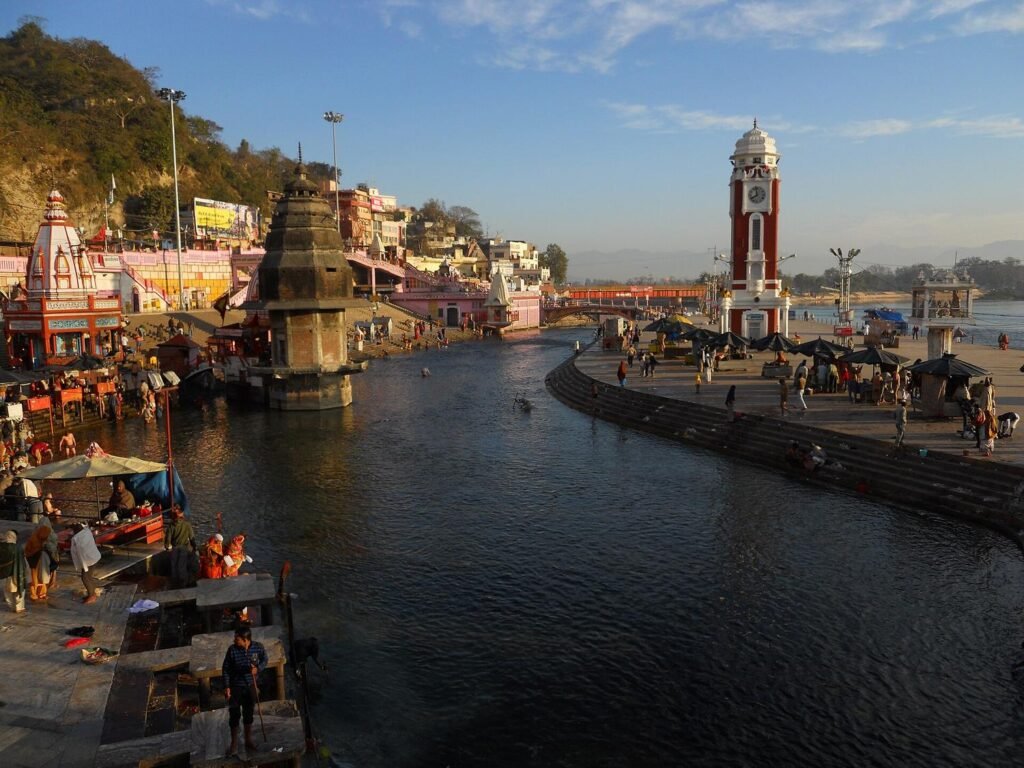 Photo: Picea Abies, CC BY-SA 3.0, via Wikimedia Commons
Who can take part?
Pilgrims, local people, ascetics, families and visitors all come to the Kumbh. The rules for taking part can change by date, by ghat and by the authority in charge.
- You can attend without bathing.
- Do not enter an area kept for an Akhara, a procession, a ritual group or a special group of people.
Before you go
- Check the exact place and the latest updatesThe four Kumbh places have different rivers, ghats and local authorities.
- Get dates from the body in chargeDo not work out a snan day from astrology, an old article or a forwarded calendar.
- Check which bathing areas are open and how to reach themA ghat you know well can have special entry rules, or be closed, during the event.
- Pack lightKeep your ID and a modest change of clothes where you can reach them. For a full list, see What to carry for Kumbh.
How to behave at the ghat
A general guide, not a required religious rite
- Follow the signs, barriers, queues and staff on the day
- Use only an approved entry point and water areaTake care on steps and rails, and accept help if it is offered.
- Keep shoes and belongings safe, but do not block the path
- Respect other people’s space and the places set aside for changing
- Go into the water calmlyDo not push, race or dive, swim across a fenced-off zone, or pull anyone into the water.
- If you pray or take a sankalp, do it in your own tradition without blocking others
- Keep your time in the water short when the staff ask you to
- Leave as soon as you are toldChange only in the marked place or somewhere private.
- Take your waste with you or use the bins provided
What to carry for snan
- A light bag that closes, kept with you at all times.
- A modest change of clothes and a small towel.
- Shoes you have worn before, with a good grip on wet and uneven ground.
- Drinking water, if allowed, kept apart from river water.
- An ID or contact card kept safe, and a meeting plan that works without a phone.
- A waterproof pouch for your phone and the papers you need.
- A little cash, and no valuables you do not need.
This is not a list the event requires. Bag size, security checks and banned items depend on the rules for your event, so check the latest rules before you go.
Clothing and privacy
Wear modest, practical clothes that you can change out of in private. What people expect differs by place and community. Follow the ghat instructions on the day and respect local custom.
Never photograph or film someone who is bathing, changing, praying, grieving or doing a private ritual without their clear consent. Being in a public place does not take away a person’s dignity or privacy. The same rule applies to ascetics, including Naga sadhus.
Keep the river clean
Do not use soap or shampoo in the river. Do not put plastic-wrapped offerings, food waste, cloth, oil, chemicals or litter in the water. Where there are set places for offerings and waste, use them. Save key details on your phone instead of printing sheets you will throw away.
Akharas and their ceremonial bathing
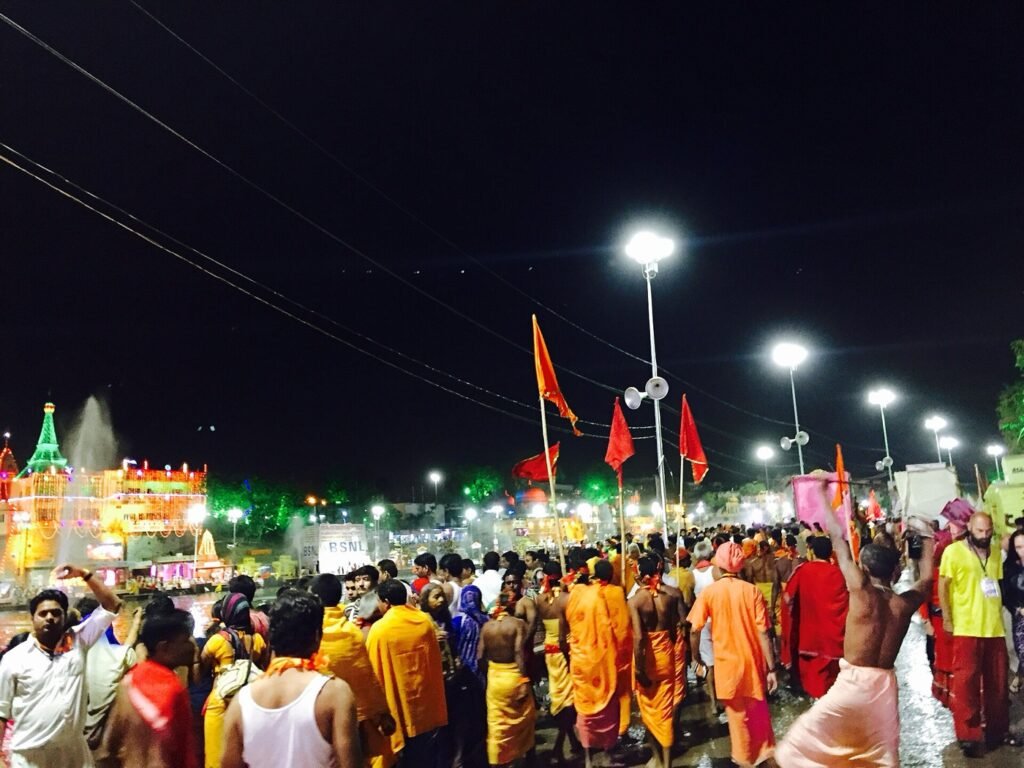 Photo: Divyasingh04, CC BY-SA 4.0, via Wikimedia Commons
Akharas are organised religious bodies, each with its own lineage and role. Their processions and ceremonial bathing are among the best-known Kumbh traditions. But the order, the names used, the timing and who can get close all change from event to event.
Do not block a procession, cross a barrier, push for a close photo or assume the public can enter a reserved zone. Follow the authority in charge and the group that runs that space. Learn more in the Akhara guide.
How an Amrit Snan day runs
The usual pattern at past Kumbhs. The official plan for each day decides the details.
How the four places differ
A drawing of the four rivers, not a map: not to scale and not in their real positions.
| Place | Where people bathe | What to check |
|---|---|---|
| Prayagraj | Sangam of the Ganga and Yamuna, and the Saraswati according to tradition | Sectors, boat rules and entry can change |
| Haridwar | Ganga ghats, best known Har Ki Pauri and Brahmakund | Water flow, barriers and which ghat is open to whom |
| Nashik–Trimbakeshwar | Ramkund in Nashik and Kushavart in Trimbakeshwar, two separate centres | Not one site you can walk between; do not assume where a group will bathe |
| Ujjain | Shipra ghats, best known Ram Ghat | Simhastha sectors and entry rules decide access |
Before you plan a Nashik trip, see the dates page and the ghats guide.
What not to do
 Photo: schwiki, CC BY-SA 4.0, via Wikimedia Commons
- Do not follow an “auspicious” date that the event authority has not announced.
- Do not promise anyone a spiritual or health result.
- Do not go into closed water, closed processions or areas you are not allowed in.
- Do not push, run, dive, litter or use soap in the river.
- Do not photograph private or vulnerable ritual moments without consent.
- Do not leave a dependent person alone in the water.
- Do not assume the routes, ghats or safety plans of an earlier Kumbh apply this time.
Frequently asked questions
Is Kumbh snan compulsory?
No. Bathing is a personal religious choice. You can take part through prayer, darshan, learning or simply being there with respect, without going into the water.
Is there one correct Kumbh snan vidhi?
No. Practice differs by tradition, family and place. This page gives general good conduct, not one ritual that everyone must follow. Follow the tradition you trust, and obey the safety and entry rules on the day.
What should I wear?
Wear modest, practical clothes that suit wet conditions and let you change in private. Avoid clothes that get very heavy when wet or make it hard to move.
Can children and older people take snan?
Never assume there will be easy or assisted entry to the water.
When is the main snan?
It depends on the place and the event. Use the schedule published by the authority running that Kumbh. For Nashik 2027, the plan NTKMA published on 15 June 2026 gives the main bathing days, but not bathing times. See the Nashik Kumbh dates. For Haridwar 2027, the official website lists eleven bathing days, from 14 January to 20 April 2027, all provisional. See the Haridwar dates.
Where next
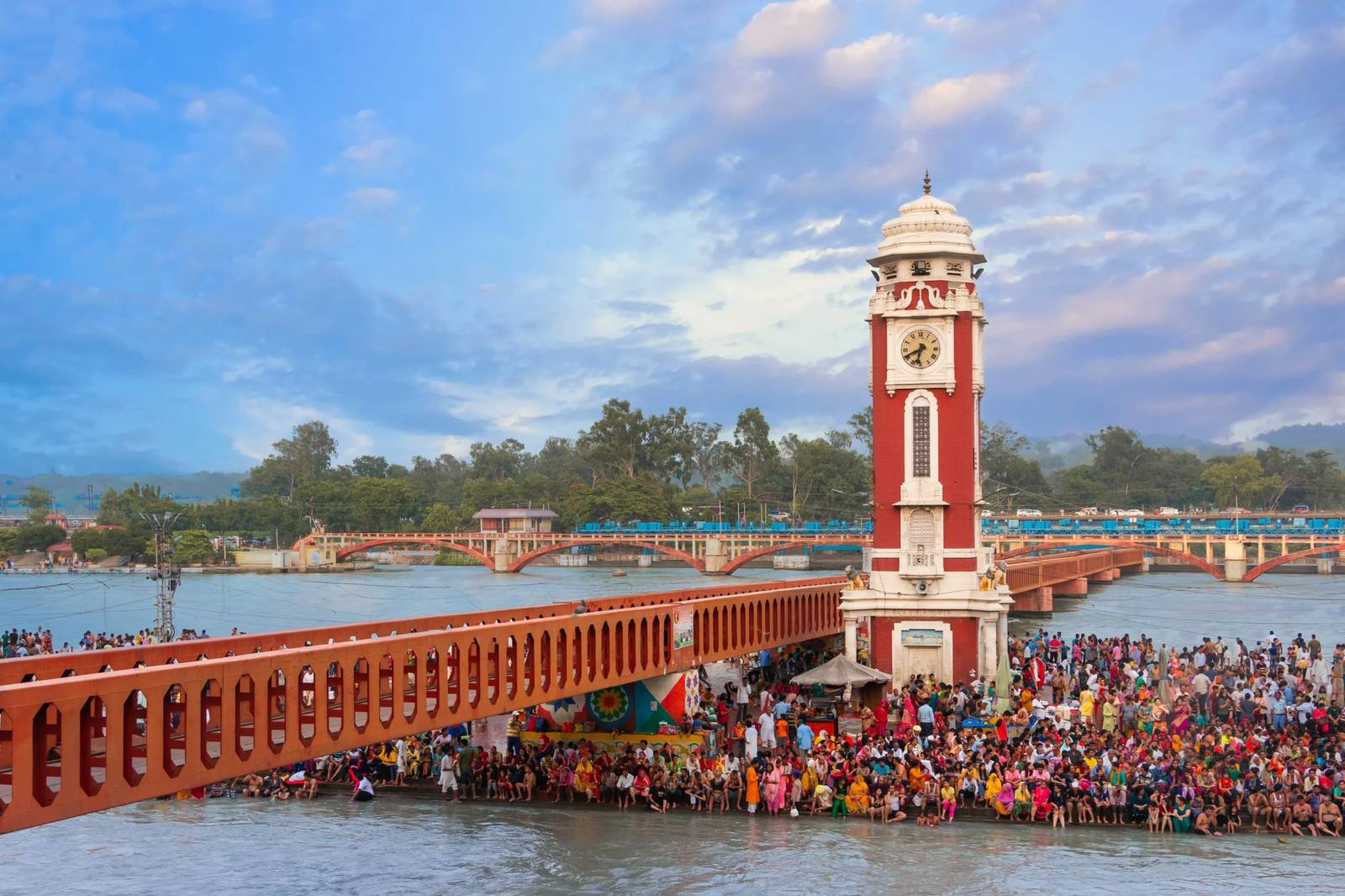 Photo: TirthProvisionalहरिद्वार कुंभ 2027Haridwar Kumbh 2027Thu 14 Jan to Tue 20 Apr 2027Open the guide
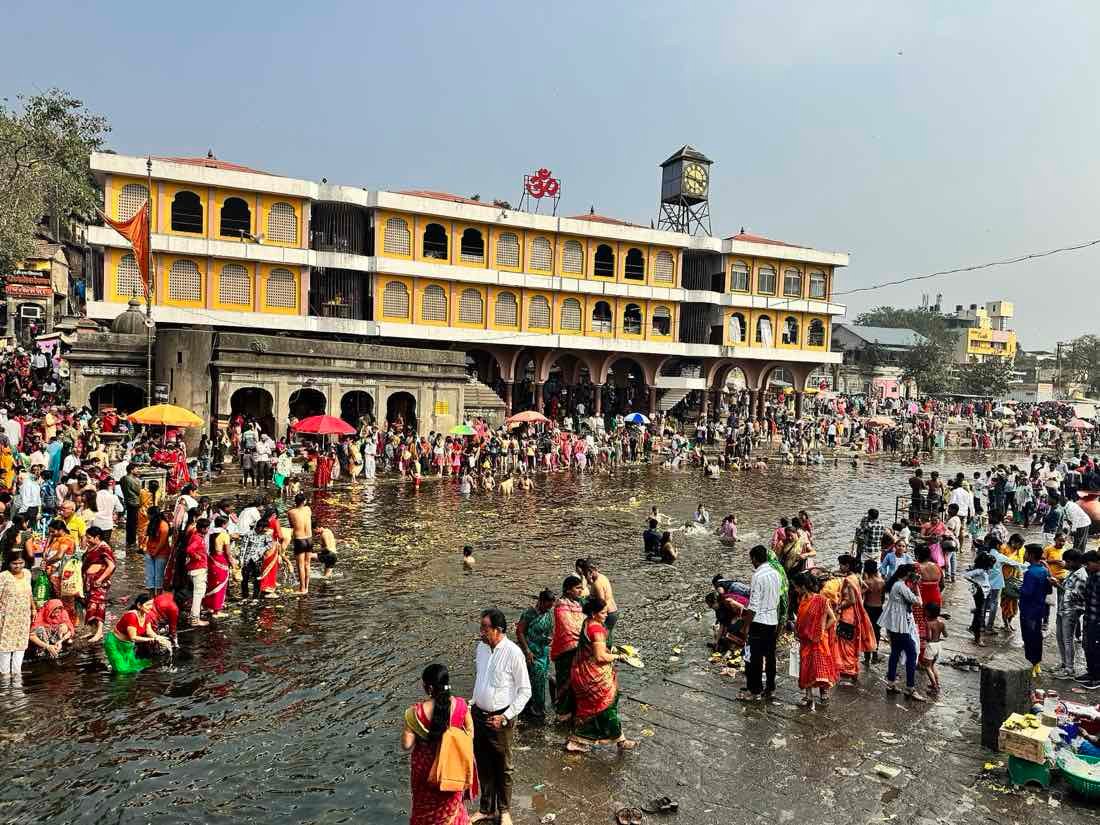 Photo: Rohit R Nashik, CC BY-SA 4.0Officialनासिक कुंभ 2027Nashik–Trimbakeshwar SimhasthaMain bathing Aug to Sep 2027Open the guide
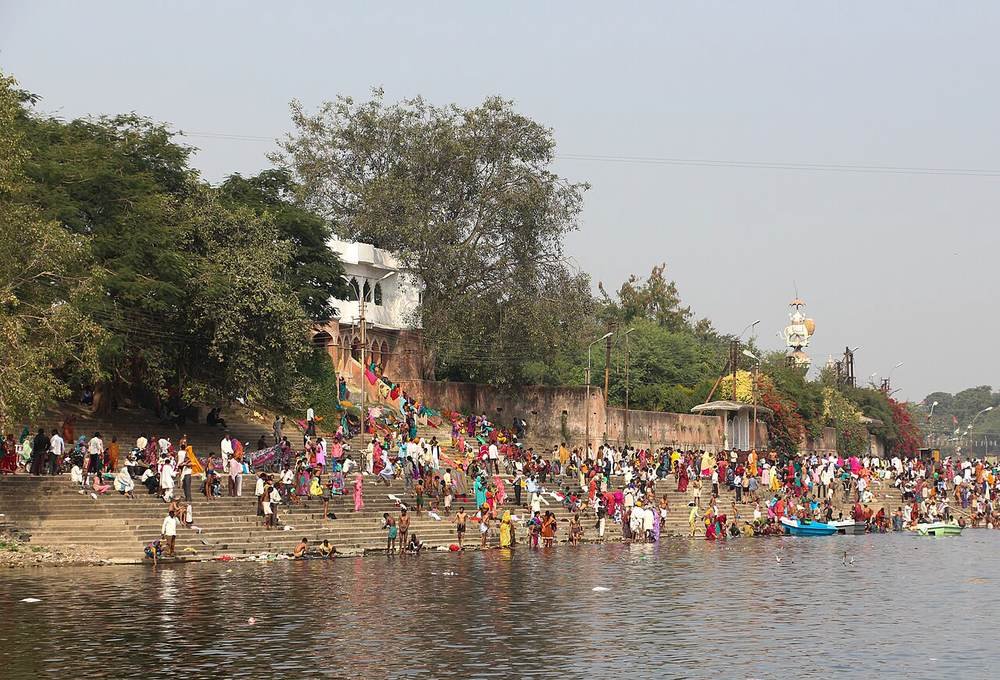 Photo: Bernard Gagnon, CC BY-SA 3.0Expectedउज्जैन सिंहस्थ 2028Ujjain Simhastha 202827 Mar to 27 May 2028Open the guide
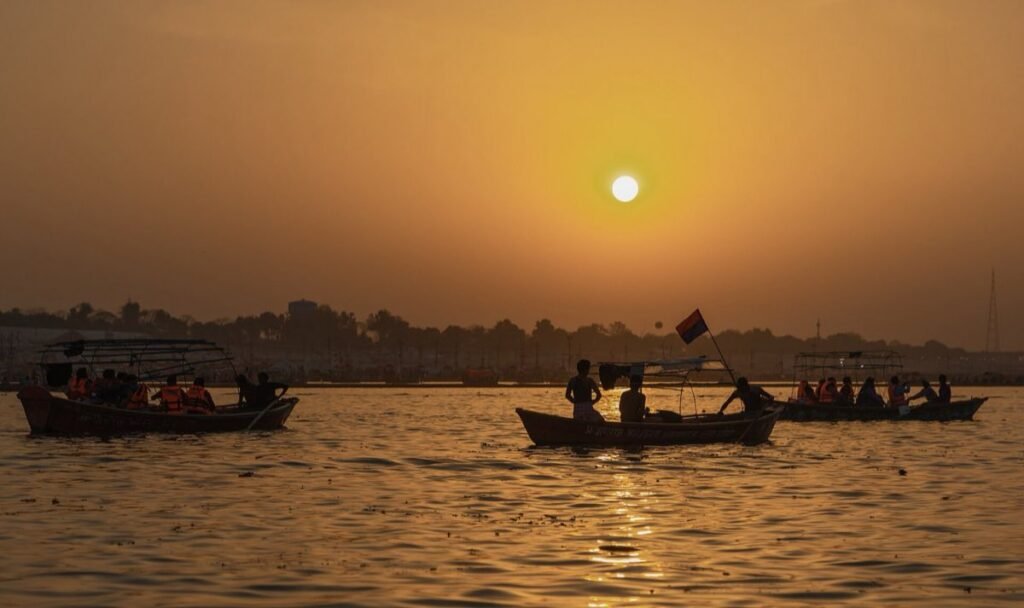 Photo: Ninara, CC BY 2.0Expectedप्रयागराज माघ मेला 2027Prayagraj Magh Mela 2027Magh Mela, 15 Jan to 6 Mar 2027Open the guide
Sources
11 sources · checked 15 Jul 2026
- Kumbh Mela: Representative List of the Intangible Cultural Heritage of Humanity · UNESCO Intangible Cultural Heritage ·
- Do's and Don'ts: Maha Kumbh 2025 · Prayagraj Mela Authority, Government of Uttar Pradesh ·
- Maha Kumbh: Akhara Walk Tour · Uttar Pradesh State Tourism Development Corporation, Government of Uttar Pradesh ·
- Spiritual Powerhouses: Akharas at the Forefront of Maha Kumbh 2025 · Press Information Bureau, Government of India ·
- Kumbh Mela and Sangam · District Prayagraj, Government of Uttar Pradesh ·
- Har ki Pauri · District Haridwar, Government of Uttarakhand ·
- Ramkund Nashik · Nashik District, Government of Maharashtra ·
- Kushavart Tirtha: Trimbakeshwar · Nashik District, Government of Maharashtra ·
- Culture and Heritage: Ujjain · District Ujjain, Government of Madhya Pradesh ·
- Public Health Advisory: Extreme Heat and Heatwave · National Centre for Disease Control, Ministry of Health and Family Welfare, Government of India ·
- SACHET: National Disaster Alert Portal · National Disaster Management Authority, Government of India ·