
Kumbh Mela guide
Kumbh Cycle and How Timing Is Determined
A full Kumbh comes back to the same city about every twelve years. By tradition, its timing is set by the positions of Jupiter, the Sun and sometimes the Moon. The festival period and bathing dates become final only when the religious leaders and the government in charge announce them.
So the Kumbh Mela cycle repeats, but it is not a fixed event every three years.
The short answer
If you are planning a trip, keep the broad cycle apart from the final dates.
- The broad cycle: Kumbh is held at four places over about twelve years.
- The same place again: a full Kumbh usually comes back to one city after about twelve years.
- The six-year gathering: by tradition, Ardh Kumbh is linked with Haridwar and Prayagraj.
- The sky: government culture pages say each place has its own mix of Jupiter, Sun and Moon positions.
- Final dates: book rooms, leave and travel only from a recent, dated announcement by the government or Kumbh authority.
The cycle tells you roughly when to expect a Kumbh. It does not replace the government calendar.
Tap a dot to see the dates and their status. Small dots on the Prayagraj line are the yearly Magh Mela.
Years after 2028 follow the 12-year cycle and are not announced. Past years from our history pages.
Why do people say twelve years?
Government of India culture pages describe Kumbh as four gatherings across a twelve-year cycle. They also explain that Jupiter, or Brihaspati, takes about twelve years to pass through the zodiac. By tradition, this is the link between the planet’s movement and the Kumbh coming back to a place.
That does not mean the gap is always the same number of days on the everyday calendar. Hindu calendar decisions look at the signs of the zodiac, lunar months and auspicious bathing days. Each city also uses its own mix. You cannot get a safe date by adding twelve to the last Kumbh year.
Myth or fact?
There is a Kumbh every three years, in a fixed order of citiesTap to check
A full Kumbh comes back to the same city about every twelve yearsTap to check
Ardh Kumbh is held at all four placesTap to check
Maha Kumbh always means 144 yearsTap to check
Is there one Kumbh every three years?
“Four events in twelve years” is sometimes cut down to “one every three years.” That is a teaching shortcut. It is not a schedule.
Kumbh does not work like a sports league, with a fixed order of host cities and set dates. The movement of the planets, the reading of the religious calendar, local tradition and government planning all matter. Some gaps look close to three years, but each Kumbh still needs a formal announcement.
Use the four Kumbh locations guide to learn about the cities and rivers. Do not treat its map as a countdown.
What do Jupiter, the Sun and the Moon do?
- PrayagrajVrishabha (Taurus)Magh Mela every year; Ardh Kumbh expected in 2031
- Nashik and TrimbakeshwarSimha (Leo)Main bathing Aug to Sep 2027
- UjjainSimha (Leo)27 Mar to 27 May 2028
- HaridwarKumbha (Aquarius)Thu 14 Jan to Tue 20 Apr 2027
By tradition each place has its own sign for Jupiter, with conditions for the Sun and Moon; Nashik and Ujjain share Simha, which is why both are called Simhastha. The authority running each Kumbh announces the actual dates. How the dates are set
Government culture pages agree that timing in the sky matters. But their short formulas are not the same. The explanation they share is this:
- Jupiter gives the rough twelve-year frame.
- The Sun’s position helps mark each place’s auspicious period.
- In several versions, the Moon and the lunar calendar help set the main bathing days.
- Local religious leaders and calendar experts work out which combination applies.
- The government and the Kumbh authority publish the working schedule.
This describes Hindu calendar and astrology traditions. It is not a scientific claim that bathing brings a sure physical or spiritual result.
How timing differs by place
The four Kumbh places and their rivers. Nashik and Trimbakeshwar are the two centres of one Simhastha, about 30 km apart.
Rivers and coast, simplified. Not a political map: no borders are shown. Natural Earth (public domain) and OpenStreetMap contributors. openstreetmap.org/copyright
| Place | Traditional link | What to do |
|---|---|---|
| Haridwar | Kumbh (Aquarius) sign, with Jupiter and the Sun; some summaries add more | Use the current Haridwar schedule, not a formula |
| Prayagraj | Often linked with Jupiter in Taurus, and the Sun and Moon in Magh | Check the official calendar for every bathing date |
| Nashik–Trimbakeshwar | Simhastha: Jupiter in Leo; Nashik sources also give Sun and Moon conditions | Check how the dates apply at both centres |
| Ujjain | Simhastha, with its own mix of Jupiter and the Sun | Read short formula tables with care, as official summaries differ |
This table does not pretend that every government source gives one agreed formula. For example, the Nashik District and Garhwal Division summaries differ on part of the Ujjain explanation. So when KumbhMela.info gives an exact formula, we say whose it is. For dates, we go by the authority running that Kumbh.
Why are dates often not final for a long time?
- 1Tradition and the sky
A Kumbh falls when Jupiter and the Sun reach the signs tradition links with each place. The panchang turns that into tithis and days.
- 2The seers and the akharas
The akharas and the seers' council meet the administration to agree the main bathing days, above all the Amrit Snans.
- 3The government notice
The state or the mela authority announces the days on its website or through the district, often months ahead and sometimes with later changes.
- 4Our check
We mark each day official, provisional or expected, with its source and the date we checked, and change it the day a notice changes.
What the labels mean: how we mark dates.
People can expect a Kumbh in a certain year long before its detailed schedule is fixed. Planning needs more than finding the right period in the sky. Before the dates are final, the authorities may need to finish several steps. These include religious talks, government orders such as the gazette, bathing-day announcements, transport plans, land allotment, safety plans and public announcements.
For you, the difference matters:
- An expected Kumbh year is not a fixed bathing date.
- A planning document can change.
- A news report can retell an announcement instead of quoting it.
- A past pattern cannot prove a future schedule.
- A hotel or travel advert is not a government source.
Our Nashik Kumbh dates page shows how firm each important date is, and when we last checked it.
What do our date labels mean?
| Label | What it means | How to use it |
|---|---|---|
| Officially confirmed | The authority in charge has issued the current date or schedule | Plan with it, but keep watching for updates |
| Verified from an official source | We have checked and recorded the current official source | Use it with the review date and source shown |
| Provisional | An authority or planning paper says it can change | Do not make fixed plans from it alone |
| Awaiting official confirmation | A date is expected or going around, but no announcement has come | Treat it as not final |
| Estimated | Worked out by a clear method that is not official | Not for bookings or ritual timing |
| Archived | A past date kept for the record | Never use it as a future date |
What are the different Kumbh names?
The names do not follow one fixed maths rule.
- Kumbh is the whole tradition. It can also be the official name of one event.
- Ardh Kumbh usually means a six-year gathering at Haridwar or Prayagraj.
- Purna Kumbh is often used to describe a full gathering, about twelve years apart. But it is not the formal title in every current source.
- Maha Kumbh is linked most closely with Prayagraj. Government messages have used it as the new name for a twelve-year event, and also with a 144-year meaning.
- Simhastha is used at Nashik–Trimbakeshwar and Ujjain. It comes from Simha, the sign of Leo.
For any one event, the exact name the authority gives it is more reliable than a general category. See Kumbh, Ardh Kumbh, Purna Kumbh and Maha Kumbh for the full comparison.
How to check a date for a future Kumbh
Before you rely on a date, ask five questions:
- Who published it?
- Does the page or announcement show the date it was issued?
- Does it name the place and the authority running the event?
- Does it say the date is final, not final yet, proposed or only expected?
- Has a newer announcement replaced it?
Some details matter most: bathing days, closures, routes, parking and entry rules. For these, go to the current government or Kumbh authority, not a general guide like this one.
Frequently asked questions
Does Kumbh Mela happen every 12 years?
A full Kumbh usually comes back to the same city about every twelve years. Across the four places, gatherings take place at different points in the wider cycle. The exact dates are set by the Hindu calendar and the government process.
Why is Jupiter important to the Kumbh cycle?
Government culture pages link Kumbh timing to Jupiter’s place in the zodiac. Jupiter’s cycle of about twelve years gives the broad frame. Each place adds its own Sun and Moon conditions.
Can I calculate the next Kumbh by adding 12 years?
No. That can point to a rough period, but it cannot fix the festival dates or bathing days. Use a current announcement from the government or Kumbh authority.
Why do websites give different astrological formulas?
Some describe different local traditions. Others simplify too much or repeat mistakes. Even government culture pages differ on some details. Say whose formula it is, and take the final schedule from the authority running the event.
Is Ardh Kumbh held at all four locations?
No. The government sources we checked link Ardh Kumbh with Haridwar and Prayagraj.
Does "Maha Kumbh" always mean 144 years?
No. Central-government material for Maha Kumbh 2025 uses that meaning. But a 2019 government account also records Maha Kumbh as the new name for the twelve-year Prayagraj gathering. Always give the event, place, year and source.
About this page
We last reviewed this page on 15 July 2026. It is an Evergreen page: it explains a lasting tradition, and we check it every quarter because readers use it to plan. It gives no final bathing date for any future Kumbh.
If you find a newer government announcement, send it to us through Contact and Corrections. We do not change date information because of an undated screenshot or social media post alone.
Where next
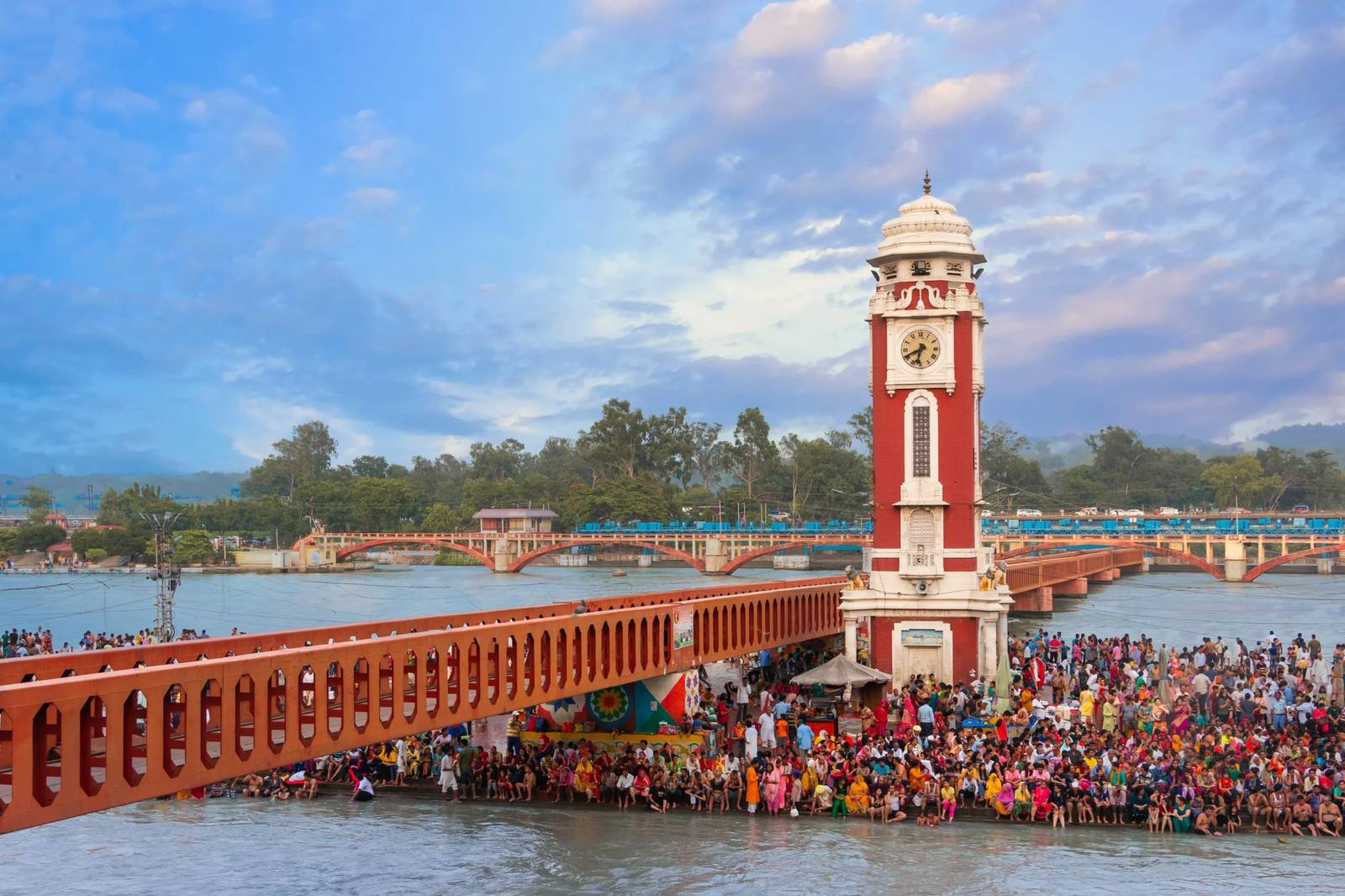 Photo: TirthProvisionalहरिद्वार कुंभ 2027Haridwar Kumbh 2027Thu 14 Jan to Tue 20 Apr 2027Open the guide
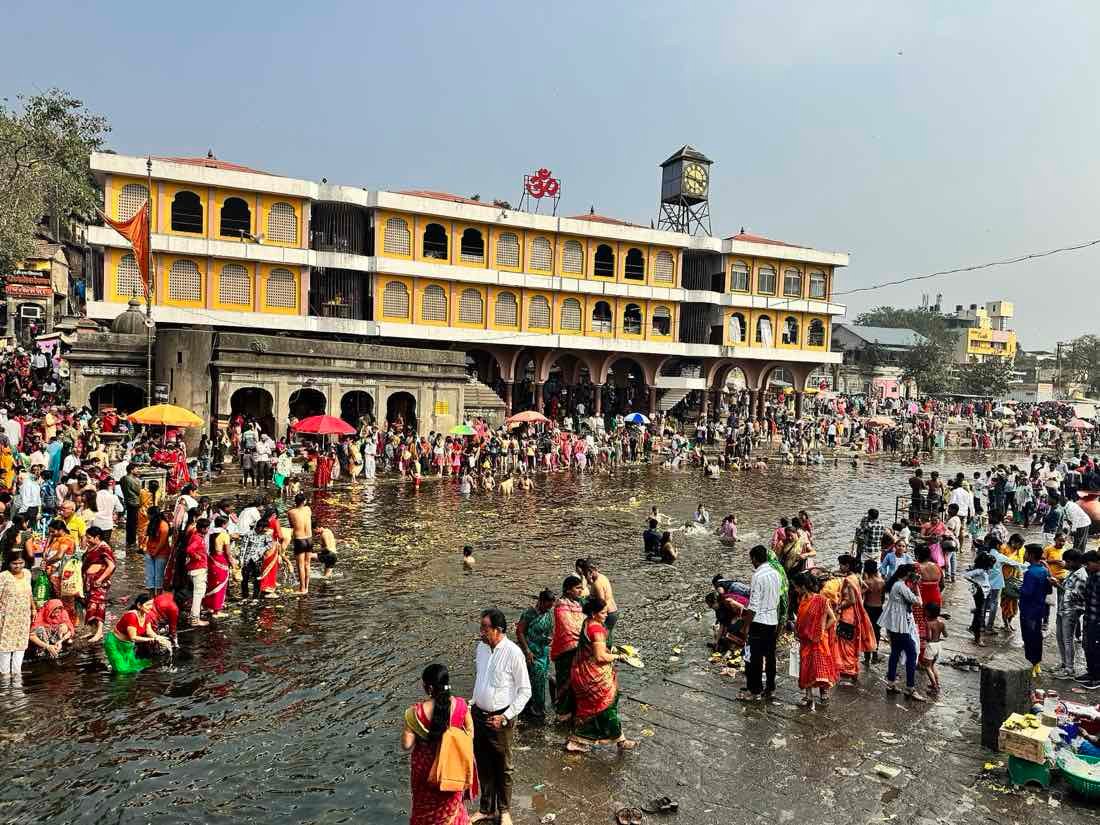 Photo: Rohit R Nashik, CC BY-SA 4.0Officialनासिक कुंभ 2027Nashik–Trimbakeshwar SimhasthaMain bathing Aug to Sep 2027Open the guide
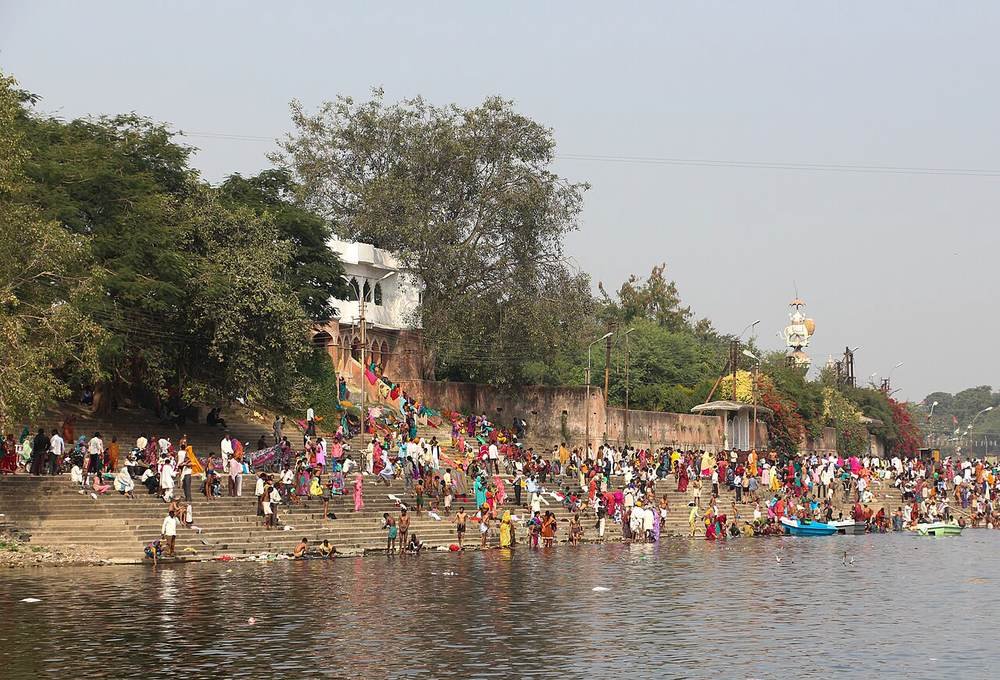 Photo: Bernard Gagnon, CC BY-SA 3.0Expectedउज्जैन सिंहस्थ 2028Ujjain Simhastha 202827 Mar to 27 May 2028Open the guide
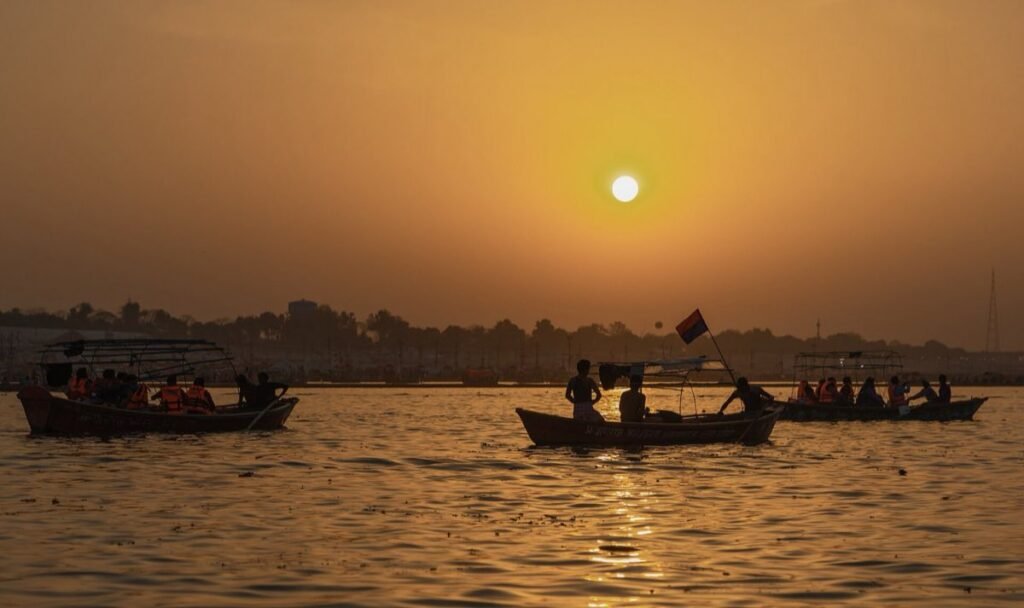 Photo: Ninara, CC BY 2.0Expectedप्रयागराज माघ मेला 2027Prayagraj Magh Mela 2027Magh Mela, 15 Jan to 6 Mar 2027Open the guide
Sources
7 sources · checked 15 Jul 2026
- G20 Digital Museum: Culture Corridor Catalogue · Ministry of Culture, Government of India ·
- Kumbh Mela: Representative List of the Intangible Cultural Heritage of Humanity · UNESCO Intangible Cultural Heritage ·
- Culture and Heritage: Simhastha Kumbhamela · Nashik District, Government of Maharashtra ·
- Kumbh Mela · Office of the Commissioner, Garhwal Division, Government of Uttarakhand ·
- Know about Kumbh: Historical Significance · Press Information Bureau, Government of India ·
- Prayagraj: Blending Tradition with Modernity: 2025 Maha Kumbh Mela to Set New Global Standards · Press Information Bureau / Ministry of Culture, Government of India ·
- About Nashik–Trimbakeshwar Kumbh Mela Authority · Divisional Commissioner Office, Nashik, Government of Maharashtra ·