
Kumbh Mela guide
The Four Kumbh Mela Locations
The four Kumbh Mela locations are Prayagraj, Haridwar, Nashik–Trimbakeshwar and Ujjain. Each one is a pilgrimage place on a holy river: Prayagraj at the Sangam of the Ganga and Yamuna, Haridwar on the Ganga, Nashik–Trimbakeshwar on the Godavari, and Ujjain on the Shipra.
Government planning is confirmed for Haridwar Kumbh 2027 and the Nashik–Trimbakeshwar Simhastha Kumbh Mela 2027. This page does not give their bathing dates.
At Prayagraj, religious tradition adds a third river, the Saraswati. Nashik and Trimbakeshwar are two linked centres of one Kumbh. All four places share the same Kumbh tradition. But each has its own event name, riverfront, sacred setting and way of planning the event.
Every Kumbh from 2025 to 2031
The four places at a glance
A drawing of the four rivers, not a map: not to scale and not in their real positions.
| Place | Holy river | Usual event name |
|---|---|---|
| Prayagraj, Uttar Pradesh | Sangam of the Ganga and Yamuna. Saraswati in religious tradition. | Kumbh or Maha Kumbh, depending on the event |
| Haridwar, Uttarakhand | Ganga | Haridwar Kumbh. Government cycle summaries also name Ardh Kumbh. |
| Nashik–Trimbakeshwar, Maharashtra | Godavari | Simhastha Kumbh or Kumbh |
| Ujjain, Madhya Pradesh | Shipra, also spelled Kshipra | Simhastha |
This table shows which river belongs to which place. It is not a timetable or a route plan, and it does not rank the places by holiness.
Where are the four places?
The four Kumbh places and their rivers. Nashik and Trimbakeshwar are the two centres of one Simhastha, about 30 km apart.
Rivers and coast, simplified. Not a political map: no borders are shown. Natural Earth (public domain) and OpenStreetMap contributors. openstreetmap.org/copyright
The Kumbh places are spread across northern, western and central India. Prayagraj is in Uttar Pradesh, Haridwar in Uttarakhand, Nashik–Trimbakeshwar in Maharashtra and Ujjain in Madhya Pradesh.
Each place’s own guide has a simple map of its permanent ghats and temples. None of them is an official event map: they do not show live roads, camp sectors, bathing zones or parking. Nashik and Trimbakeshwar are one event in two places, about 30 km apart.
Closer to an event, use the page for each place, and the event authority, to find your way.
Prayagraj Kumbh
At Prayagraj, the Kumbh centres on the Sangam, where the Ganga and Yamuna meet. In religious tradition, the Saraswati is also present here, and it is often described as invisible. So a modern map should not show it as a river you can see.
The Sangam is the lasting sacred centre. The mela around it is temporary and changes each time. Roads, pontoon bridges, sectors, ghats, entry controls and camp areas are set up for the event. Afterwards they are taken down or rearranged.
Recent government wording shows why the year matters. The government called the 2025 event Maha Kumbh 2025. Other Prayagraj events have been called Kumbh or, in the past, Ardh Kumbh. So use the right name for each event, and do not call every past gathering “Maha Kumbh”.
See the Prayagraj Kumbh page for the city’s sacred places and the planning for each event.
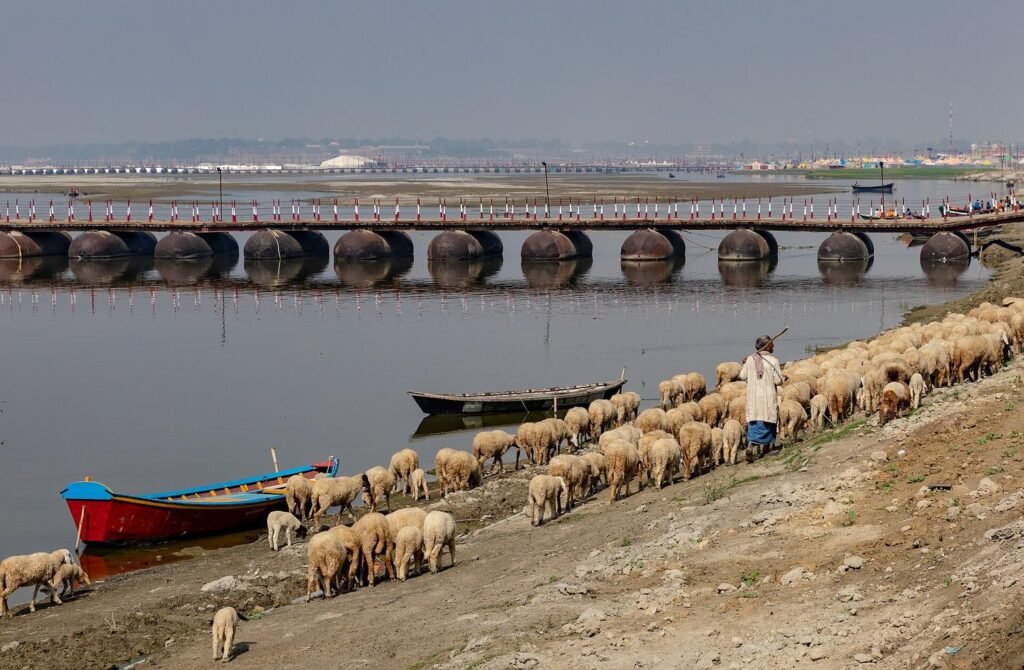 Photo: Ninara, CC BY 2.0, via Wikimedia Commons
Haridwar Kumbh
Haridwar’s Kumbh is linked with the Ganga, at the point where the river comes out onto the plains. Har Ki Pauri is the heart of the city’s sacred riverfront. Its ghats shape both daily pilgrimage and the planning for big events.
The government cycle summaries we checked link Ardh Kumbh with two places: Haridwar and Prayagraj. That does not mean every event held six years apart must use the same title. The name the authority publishes is the one that counts.
Haridwar cannot be planned like Prayagraj. Its riverfront, narrow approach roads, bridges, temples, railway access and crowd flow need a local plan. Never treat an old account of bathing as today’s entry rules.
See the Haridwar Kumbh page for the Ganga riverfront and news of future events.
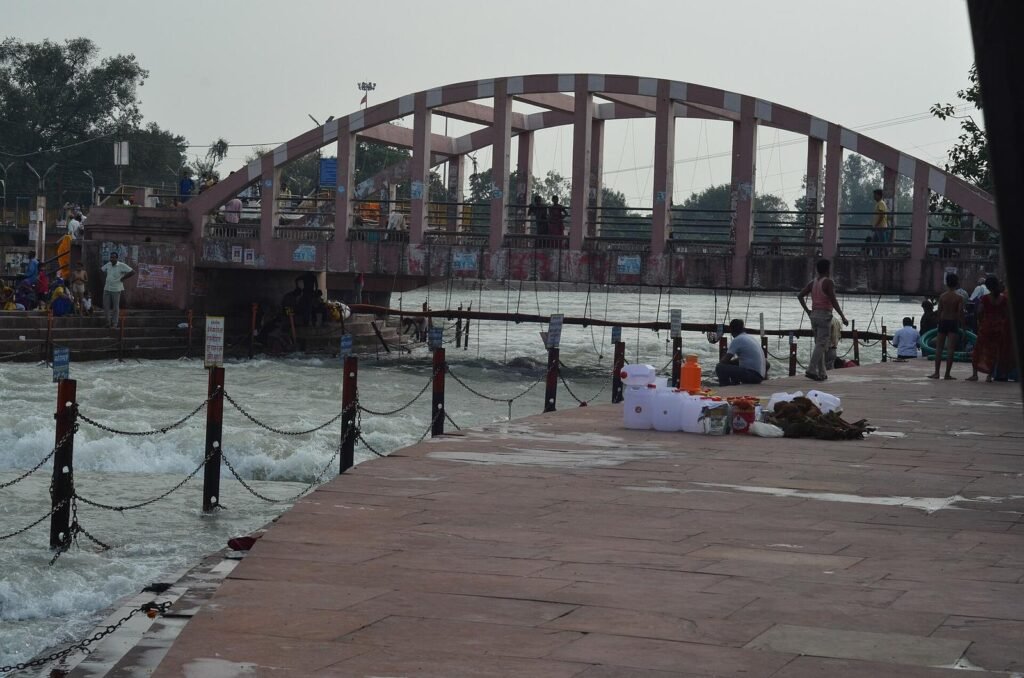 Photo: schwiki, CC BY-SA 4.0, via Wikimedia Commons
Nashik–Trimbakeshwar Kumbh
Nashik–Trimbakeshwar is one Kumbh held in two separate centres on the Godavari.
- Nashik has a city riverfront with ghats.
- Trimbakeshwar is a separate town. It is linked with the source area of the Godavari and with the Trimbakeshwar temple.
Maharashtra government material explains that, in the past, some arrangements for Akharas (orders of sadhus) and for bathing were split between the two centres. This history matters. But it does not promise routes or entry for the next event. Current plans must come from the Nashik–Trimbakeshwar Kumbh Mela Authority (NTKMA).
The event is often called Simhastha Kumbh. The name comes from its traditional link with Simha, or Leo, in the timing rules. Ujjain also uses the name Simhastha, but that does not make the two events the same.
Read the Nashik–Trimbakeshwar location page to learn about its two centres. For checked planning updates, use the Nashik Kumbh event guide.
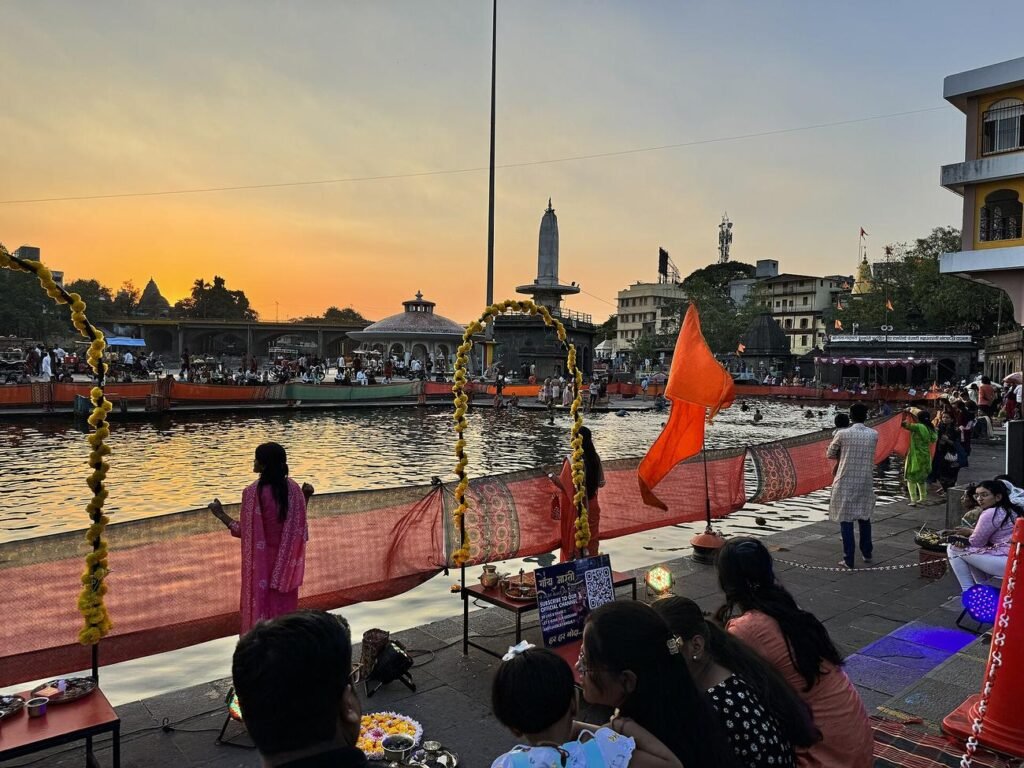 Photo: Rohit R Nashik, CC BY-SA 4.0, via Wikimedia Commons
Ujjain Simhastha
Ujjain’s Kumbh is called Simhastha. It is held on the Shipra river, also spelled Kshipra. The city’s sacred places include major temples and river ghats. Of these, Ram Ghat is the best known in public accounts.
Like every Kumbh place, Ujjain has its own local government, procession plans and riverfront limits. Do not copy Nashik’s routes, dates or ritual arrangements into Ujjain plans just because both use the name Simhastha.
See the Ujjain Simhastha page for the Shipra riverfront and news of each event.
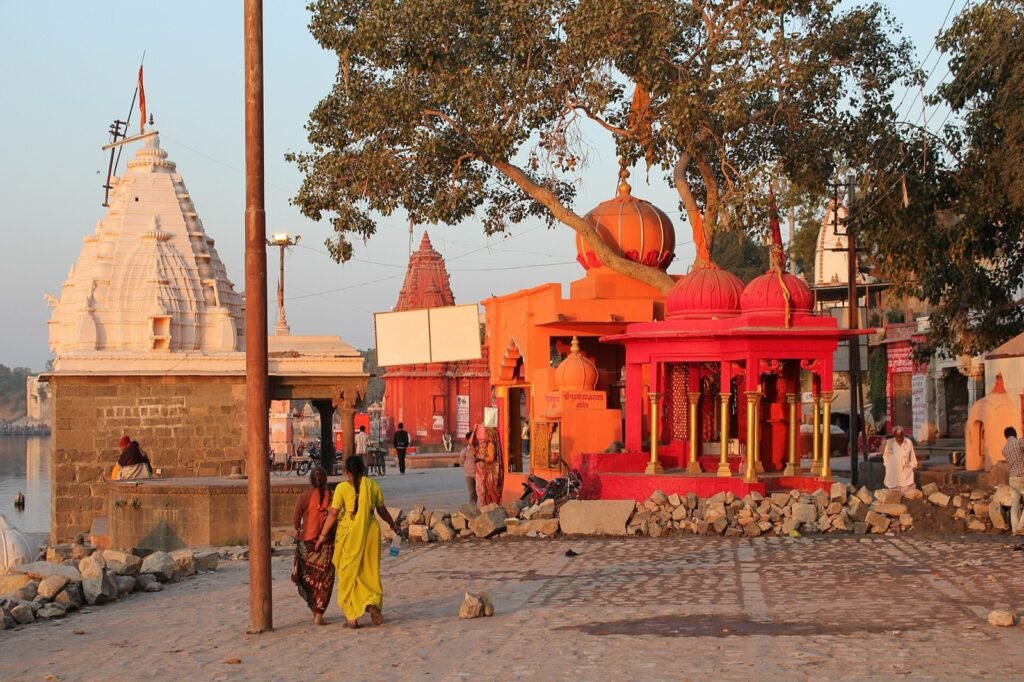 Photo: Arian Zwegers, CC BY 2.0, via Wikimedia Commons
How are the four places different?
The shape of the sacred water
Prayagraj is a meeting of rivers, with a huge temporary mela city around it. Haridwar is a major Ganga riverfront, centred on Har Ki Pauri. Nashik–Trimbakeshwar joins a city of ghats with a separate town near the river’s source and its temple. Ujjain is an old temple city with sacred ghats on the Shipra.
The names of the events
Kumbh is the shared, general name. Government messages link Maha Kumbh closely with certain Prayagraj events. Simhastha is used at Nashik–Trimbakeshwar and Ujjain. Ardh Kumbh appears in the cycle accounts for Haridwar and Prayagraj. Still, the exact name depends on the place, the year and the authority.
The layout on the ground
No mela plan can be copied from one place to another. Think of a river meeting with temporary pontoon bridges, a long city riverfront, an event split between two towns, and a small temple city with its ghats. Each one creates different conditions for transport and walking.
Akharas and processions
Akhara camps, processions and ceremonial bathing are arranged locally. The order, routes, terms and public access can change from one event to the next. Read the Akharas guide for background. Then follow the current government notices for the event itself.
Planning your trip
The best railway station, airport, road, area to stay in and walking plan are different in each place. A general “Kumbh travel package” cannot replace planning for the actual city you visit.
Which location page do I need?
Pick the page that answers your question:
- What the four-place tradition means: Why Kumbh is held at four locations
- The Sangam and Prayagraj’s event history: Prayagraj Kumbh
- The Ganga and planning for Haridwar: Haridwar Kumbh
- The Godavari and the two-centre Nashik–Trimbakeshwar event: Nashik–Trimbakeshwar Kumbh
- The Shipra and Ujjain’s Simhastha: Ujjain Simhastha
- Planning for the Nashik Kumbh now: Nashik Kumbh Event Guide
Common mistakes about the Kumbh places
Myth or fact?
The Kumbh is always in PrayagrajTap to check
Nashik and Trimbakeshwar are the same townTap to check
The Saraswati is a blue line you can see at the SangamTap to check
Simhastha is a fifth Kumbh placeTap to check
The Kumbh moves to the next city every three yearsTap to check
Frequently asked questions
What are the four places of Kumbh Mela?
Prayagraj, Haridwar, Nashik–Trimbakeshwar and Ujjain.
Which rivers are linked with the four Kumbh places?
Prayagraj is at the Sangam of the Ganga and Yamuna, with the Saraswati in tradition. Haridwar is on the Ganga, Nashik–Trimbakeshwar on the Godavari, and Ujjain on the Shipra.
Why are Nashik and Trimbakeshwar written together?
They are two separate centres of one Kumbh on the Godavari. Each has its own sacred places and its own practical layout.
Is Maha Kumbh held at all four places?
In the government usage we checked, Maha Kumbh is closely linked with Prayagraj. The other places use Kumbh or Simhastha, depending on the context.
Which Kumbh should I plan for now?
As of 15 October 2026, the Uttarakhand government is planning Haridwar Kumbh 2027 (14 January to 20 April 2027), and the Maharashtra government is planning the Nashik–Trimbakeshwar Simhastha Kumbh Mela 2027. Check dates and arrangements in the latest announcements.
Are the maps on this site official Kumbh maps?
No. They are simple fixed maps of permanent places, drawn from OpenStreetMap. For routes and event arrangements, use the authority’s own map and notices.
Which Kumbh is next?
As of 15 October 2026, two Kumbh gatherings have current government planning. Haridwar Kumbh 2027 runs from 14 January to 20 April 2027 (see the Haridwar Kumbh 2027 guide). The Nashik–Trimbakeshwar Simhastha Kumbh Mela 2027 opens on 31 October 2026. The Government of Maharashtra’s Nashik–Trimbakeshwar Kumbh Mela Authority is leading the work in both centres. This covers infrastructure, cleanliness, safety, transport, pilgrim services and joint work across government departments.
This confirms the event and its planning. It does not settle bathing dates, routes, parking or entry rules here. For those, use the Nashik Kumbh dates section and look for a dated notice from the authority.
Calculated calendars, copied travel blogs and old event graphics are not proof of dates.
Found a change?
If a dated government announcement changes anything on this page, send it to us through Contact and Corrections.
Explore the four location pages
Where next
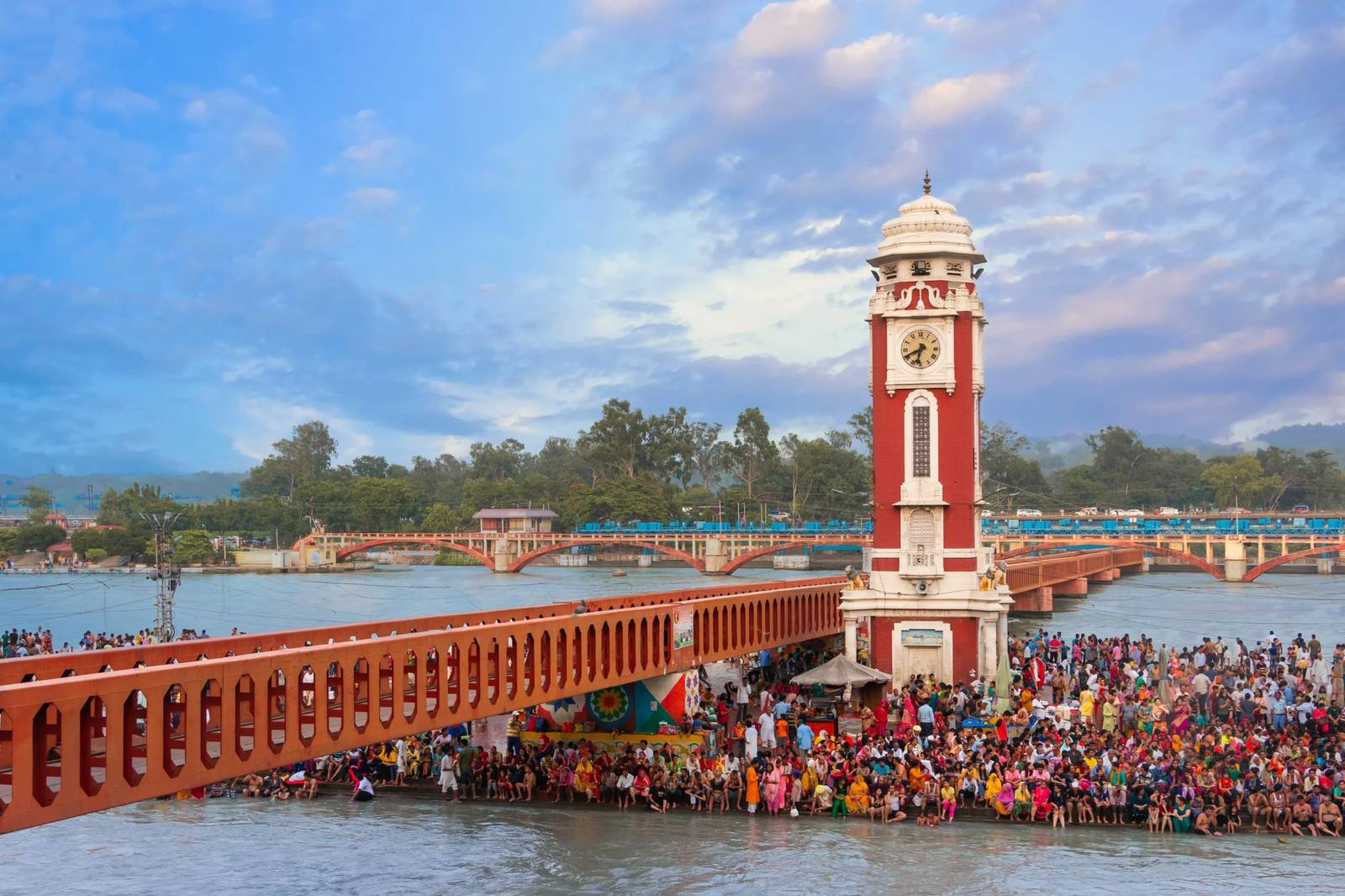 Photo: TirthProvisionalहरिद्वार कुंभ 2027Haridwar Kumbh 2027Thu 14 Jan to Tue 20 Apr 2027Open the guide
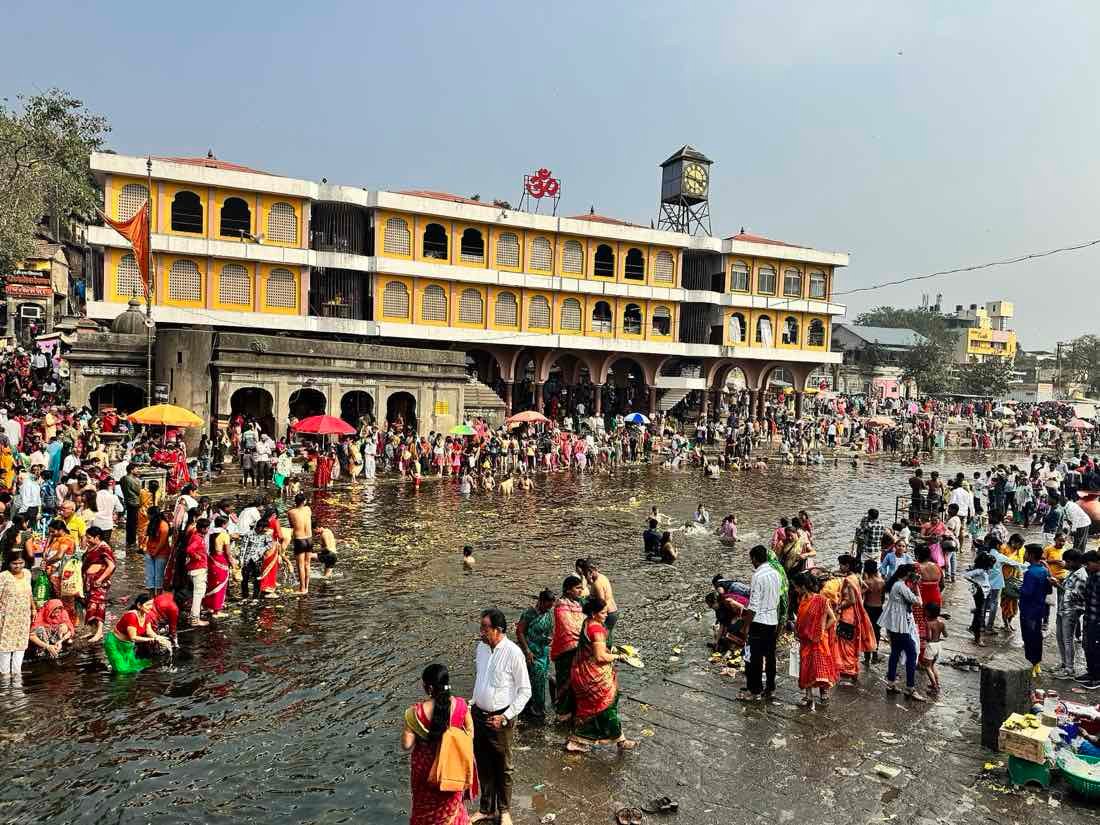 Photo: Rohit R Nashik, CC BY-SA 4.0Officialनासिक कुंभ 2027Nashik–Trimbakeshwar SimhasthaMain bathing Aug to Sep 2027Open the guide
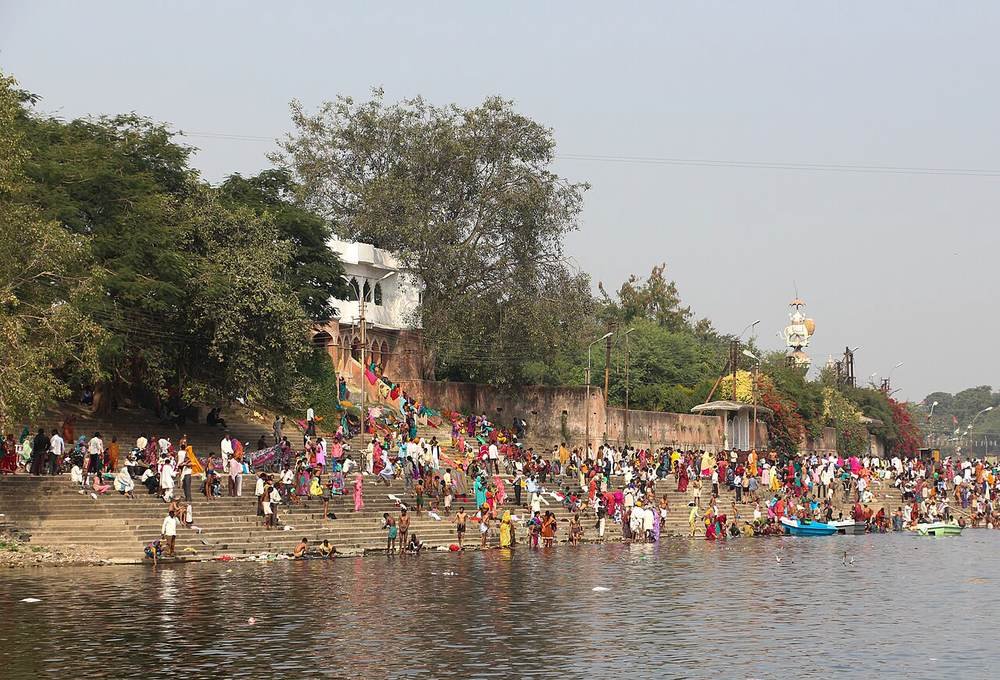 Photo: Bernard Gagnon, CC BY-SA 3.0Expectedउज्जैन सिंहस्थ 2028Ujjain Simhastha 202827 Mar to 27 May 2028Open the guide
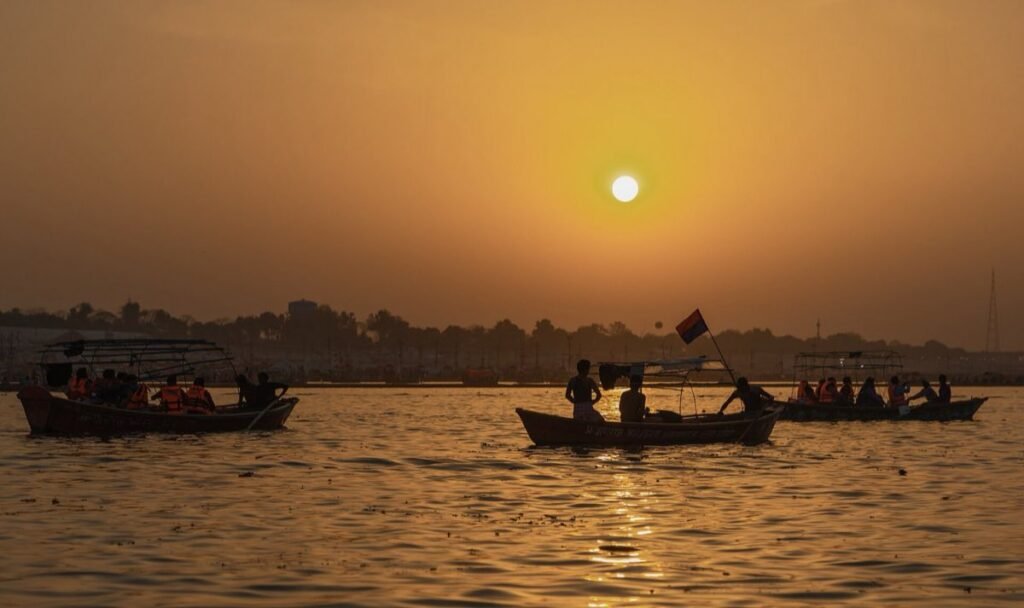 Photo: Ninara, CC BY 2.0Expectedप्रयागराज माघ मेला 2027Prayagraj Magh Mela 2027Magh Mela, 15 Jan to 6 Mar 2027Open the guide
Sources
9 sources · checked 15 Jul 2026
- Kumbh Mela: Representative List of the Intangible Cultural Heritage of Humanity · UNESCO Intangible Cultural Heritage ·
- G20 Digital Museum: Culture Corridor Catalogue · Ministry of Culture, Government of India ·
- Kumbh Mela and Sangam · District Prayagraj, Government of Uttar Pradesh ·
- About Kumbh · Haridwar District, Government of Uttarakhand ·
- Culture and Heritage: Simhastha Kumbhamela · Nashik District, Government of Maharashtra ·
- Tourist Places: Ujjain · District Ujjain, Government of Madhya Pradesh ·
- Kumbh Mela · Office of the Commissioner, Garhwal Division, Government of Uttarakhand ·
- Prayagraj: Blending Tradition with Modernity: 2025 Maha Kumbh Mela to Set New Global Standards · Press Information Bureau / Ministry of Culture, Government of India ·
- About Nashik–Trimbakeshwar Kumbh Mela Authority · Divisional Commissioner Office, Nashik, Government of Maharashtra ·