Skip to content
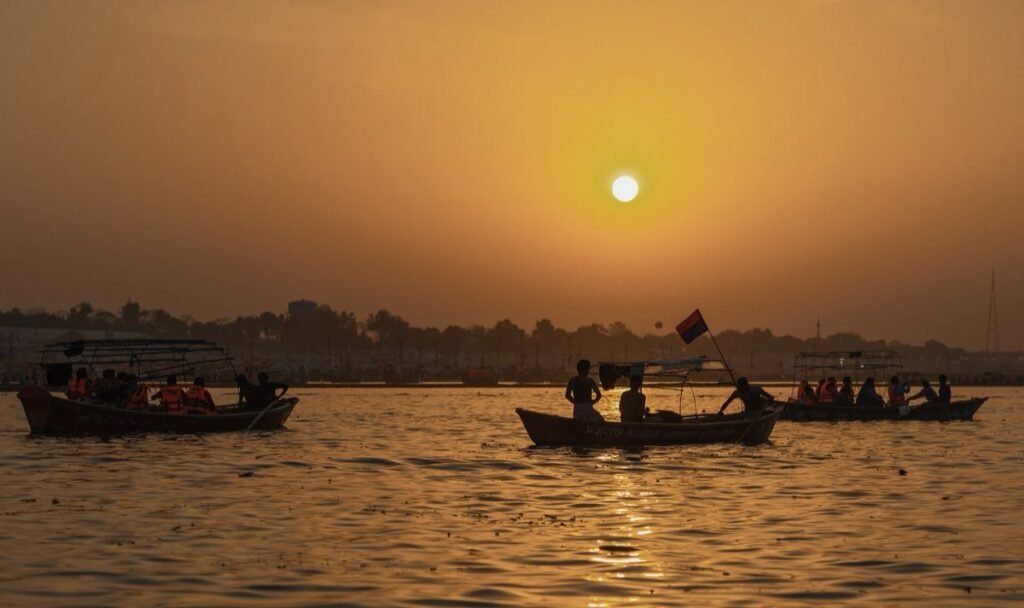
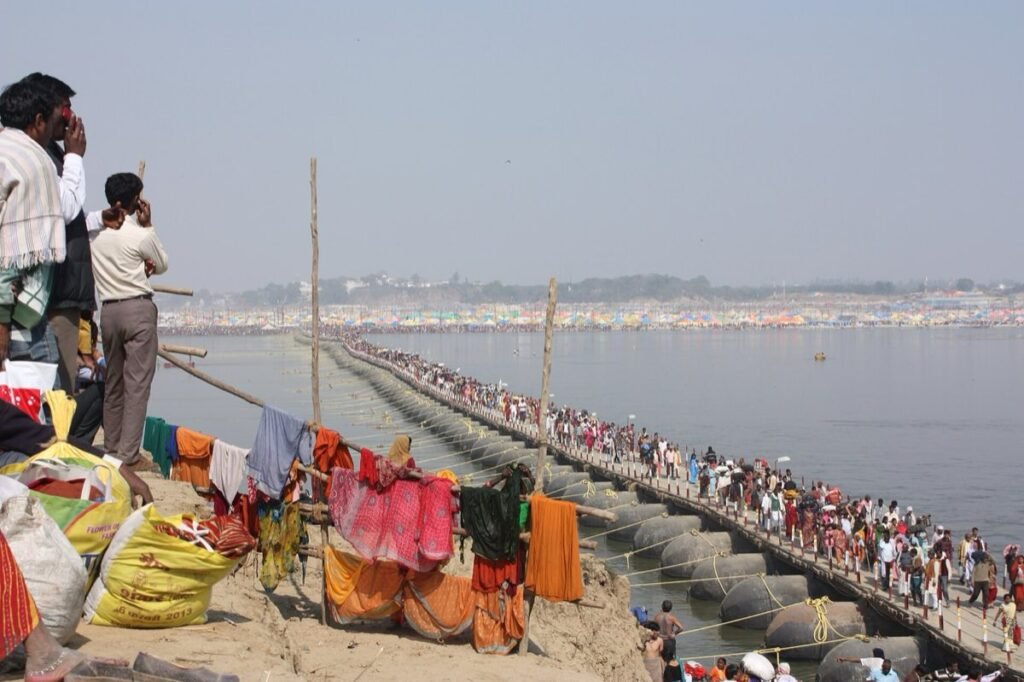
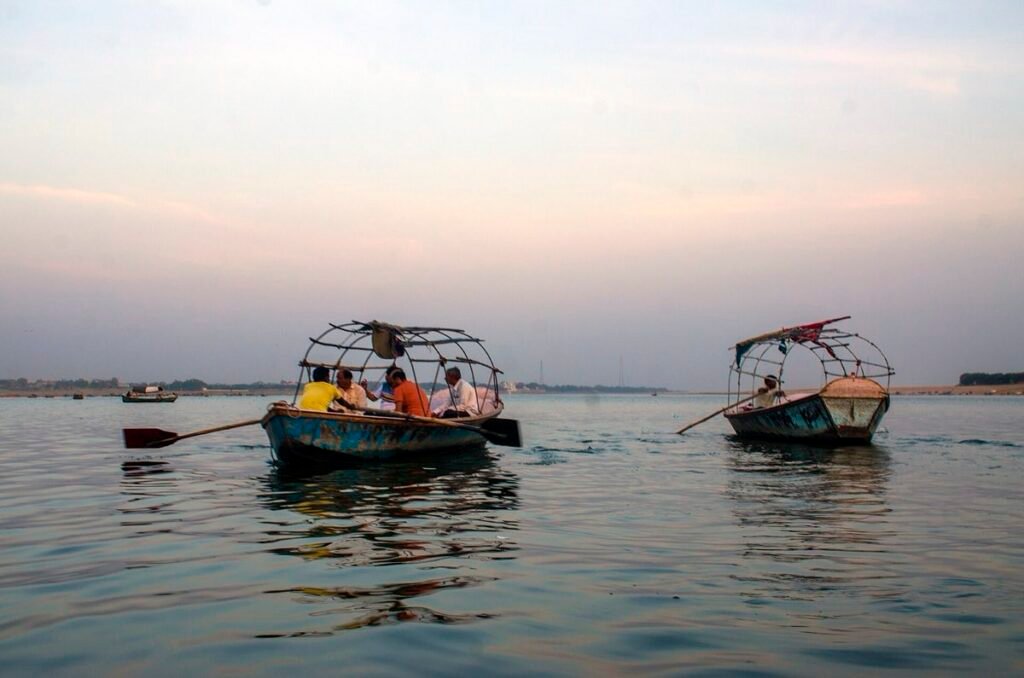
Boats at the Sangam, Prayagraj
Boats at the Sangam, Prayagraj. Photo: Rangan Datta Wiki, CC BY-SA 4.0
Expected
प्रयागराज कुंभ

Prayagraj Kumbh · Next: Magh Mela, Fri 15 Jan to Sat 6 Mar 2027

The short answer

Prayagraj Kumbh is held at the Sangam in Uttar Pradesh, where the Ganga and Yamuna rivers meet. In religious tradition, the Saraswati is also present here.

ExpectedChecked on Fri 13 Nov 2026
Next bathing day · Prayagraj
15
Makar SankrantiJanuary 2027 · Pausha Shukla Saptami
Expected · Calendar dates
59 days to go
Plan for it
6 main bathing daysMagh Mela, 15 Jan to 6 Mar 2027
SangamGanga, Yamuna and the unseen Saraswati
Prayagraj Mela AuthorityRuns the Magh Mela and the Kumbh
Ardh Kumbh 2031Dates not announced

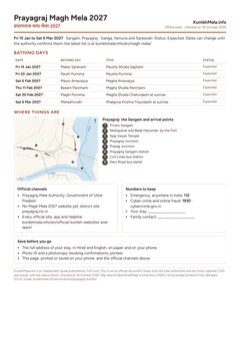
Magh Mela 2027 bathing days

Expected dates from the Hindu calendar, until the mela authority confirms them.

Date and tithiBathing dayStatusAdd to calendar
Fri 15 Jan 2027Pausha Shukla SaptamiMakar SankrantiSangamExpected
Fri 22 Jan 2027Pausha PurnimaPaush PurnimaSangamExpected
Sat 6 Feb 2027Magha AmavasyaMauni AmavasyaSangamExpected
Thu 11 Feb 2027Magha Shukla PanchamiBasant PanchamiSangamExpected
Sat 20 Feb 2027Magha Shukla Chaturdashi at sunriseMaghi PurnimaSangamExpected
Sat 6 Mar 2027Phalguna Krishna Trayodashi at sunriseMahashivratriSangamExpected

A ready-made plan

Two days, step by step, with what pilgrims do at each place by tradition. The full page has one-day and three-day plans too.

Bathe at the Sangam during the Magh Mela, see the old shrines beside it, then go on to Kashi Vishwanath in Varanasi and the Ram temple in Ayodhya. The three cities form a triangle linked by rail and road. Fix your Sangam bathing day first and fit the other two cities after it.

Day 1

  1. Dawn
    Triveni Sangam

    Pilgrims bathe where the Ganga and the Yamuna meet, with the unseen Saraswati in tradition. Boats leave from the ghat near the fort, and priests on small platforms in midstream help with the ritual bath.

    About 7.9 km by road; OpenStreetMap estimates 15 minutes on a clear road. From Prayagraj Junction. The district puts the Sangam about 7 km from Civil Lines.
  2. Morning
    Bade Hanuman Temple

    Pilgrims have darshan of the reclining Hanuman at Daraganj, on the bank of the Ganga. The district says the image is about 20 feet long, and by tradition Hanuman lay down here to rest on his way back from Lanka.

    About 1.3 km on foot, roughly 15 minutes (OpenStreetMap foot route).
  3. Morning
    Akshayavat and Patalpuri Temple

    Inside the fort, pilgrims visit the Akshayavat, the banyan held to be undying, beside the underground Patalpuri temple.

    About 0.7 km on foot, roughly 10 minutes (OpenStreetMap foot route).The district says permission has to be sought from Army officials to visit the tree.
  4. Afternoon
    Nag Vasuki Temple

    Temple of Vasuki, the serpent king, on the Ganga bank in the northern corner of Daraganj, north of the Sangam. A big fair is held here on Nag Panchami.

    About 3.9 km by road; OpenStreetMap estimates 5 minutes on a clear road.

Day 2

  1. Morning
    Shri Kashi Vishwanath Temple

    Pilgrims have darshan of Kashi Vishwanath, Shiva as the presiding deity of Varanasi. By tradition the city is where the first jyotirlinga broke through the earth.

    By train, NTES listed 78 trains from the Prayagraj stations to Varanasi, 20 of them daily, taking about 1 hour 45 minutes to 5.5 hours; daily trains such as the 12562 (Prayagraj Junction 05:25, Varanasi 08:05) take about 2.5 hours. By road it is 121 km via NH 19 by the mela authority's 2025 guide, or 128 km by the Varanasi district's table; OpenStreetMap estimates about 2 hours on a clear road.The trust says mobile phones, smart watches, cameras and other electronic devices are not allowed inside the temple. From Varanasi Junction the temple is about 5.6 km by road (OpenStreetMap), with the last stretch on foot.
  2. Afternoon
    Sankat Mochan Hanuman Temple

    A temple of Hanuman by the Assi stream, founded by Goswami Tulsidas, the district says. UP Tourism says Tulsidas wrote parts of the Ramcharitmanas here.

    About 4.5 km by road; OpenStreetMap estimates 5 minutes on a clear road.
  3. Evening
    Dashashwamedh Ghat and the evening Ganga aarti

    More people bathe in the Ganga at Dashashwamedh than at any other ghat of Kashi, UP Tourism says, and a grand Ganga aarti is held here every evening.

    About 4.2 km by road; OpenStreetMap estimates 5 minutes on a clear road.No trust or district source publishes the aarti time.
See the 1, 2 and 3 day plans

Take it offline

Print it or keep it on your phone for when the network is slow. Dates can change until the authorities confirm them; the dates page always has the latest.

Prayagraj in pictures

Credited photos. Tap a photo to see who took it.

Where things are

The Sangam, the temples by the Fort and the railway stations, drawn from OpenStreetMap.

Prayagraj: the Sangam and arrival pointsGangaYamuna123456781 kmN
Prayagraj: the Sangam and arrival points
  1. 1Triveni SangamGhat
  2. 2Akshayavat and Bade Hanuman, by the FortTemple
  3. 3Nag Vasuki TempleTemple
  4. 4Prayagraj JunctionRailway
  5. 5Prayag JunctionRailway
  6. 6Prayagraj Sangam stationRailway
  7. 7Civil Lines bus stationBus
  8. 8Zero Road bus standBus

A guide to where places are, not a route plan. During the mela, roads and ghats open and close by the official plan; follow police and mela directions.

Map data © OpenStreetMap contributors (ODbL). Some temple locations from Wikidata (CC0). openstreetmap.org/copyright

From space: the mela ground

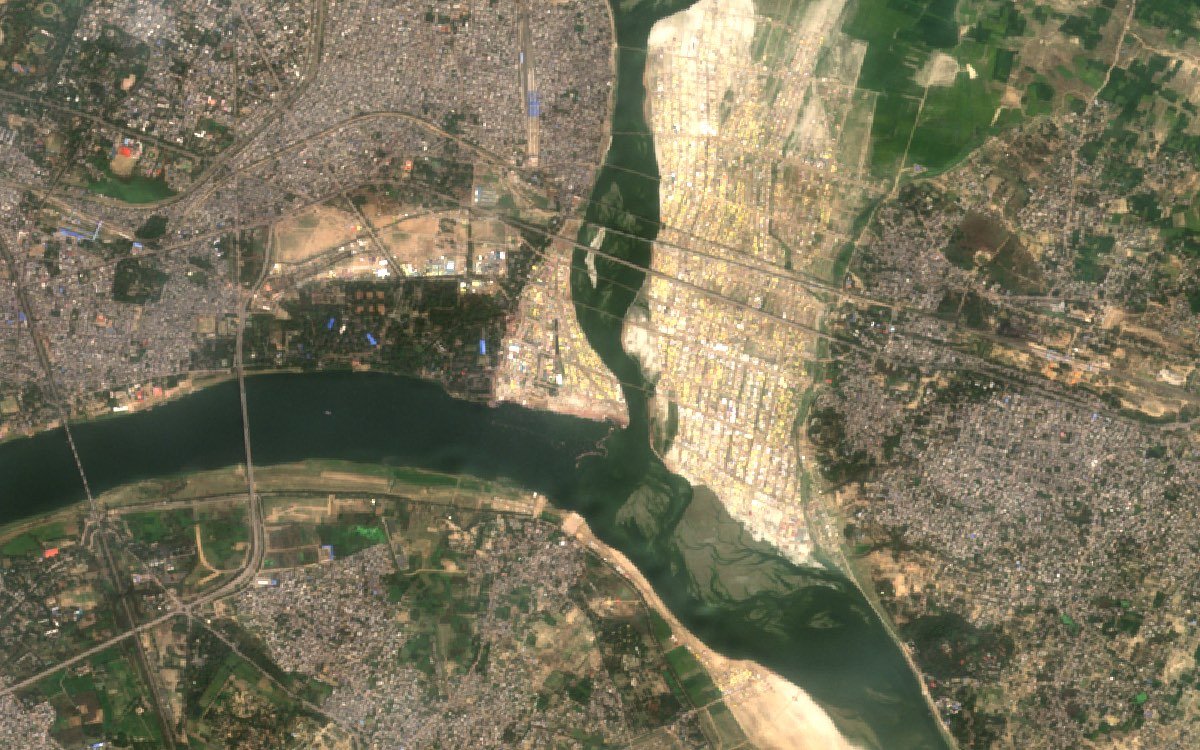
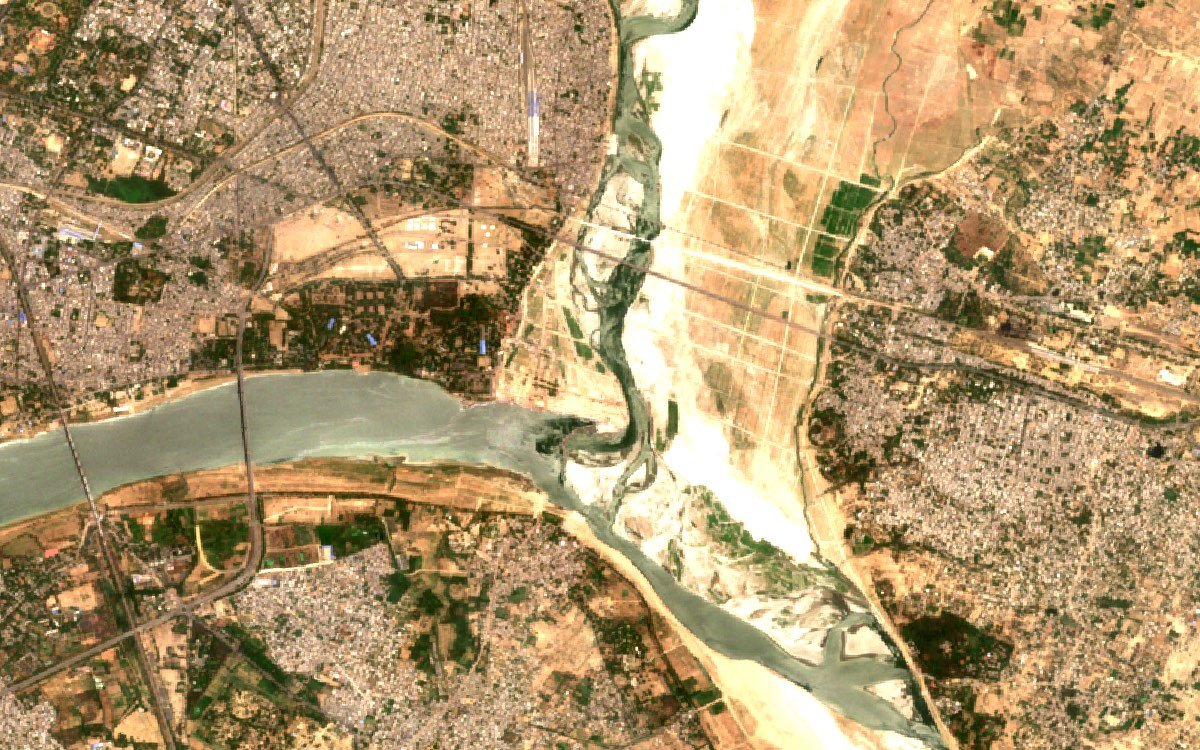
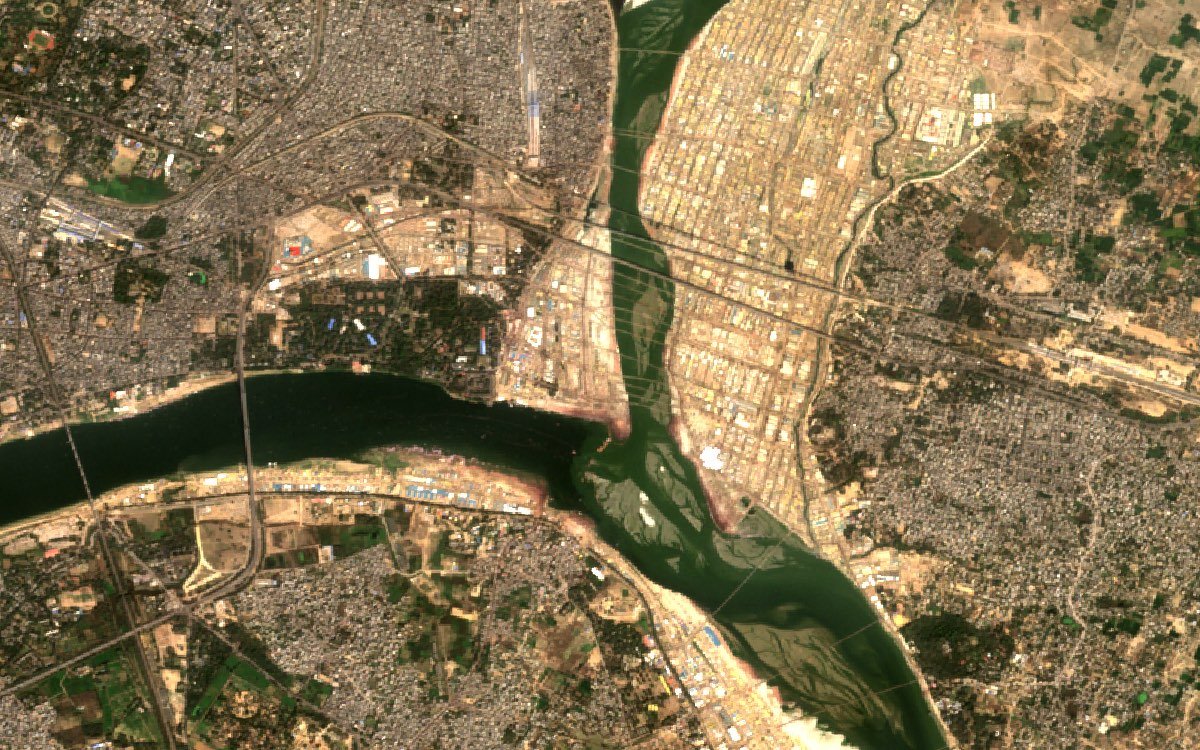
Real Copernicus Sentinel-2 images of the same ground, a Kumbh year and an ordinary one. Slide to compare.

Satellite image of the same area, Magh Mela, 17 February 2024Satellite image of the same area, No mela, 22 May 2024
Satellite image of the same area, Maha Kumbh, 11 February 2025
Magh Mela, 17 February 2024Maha Kumbh, 11 February 2025
The Sangam from space: an ordinary month, the Magh Mela and the Maha KumbhThe Ganga comes in from the top and the Yamuna from the left; they meet at the Sangam, right of centre. In February 2024 the Magh Mela camps stood on the city side and the Jhunsi side (right). In February 2025 the Maha Kumbh camps also covered the Arail side (bottom), which was empty a year earlier.Contains modified Copernicus Sentinel data (2021 to 2025), processed by KumbhMela.info. Imagery from the Microsoft Planetary Computer. 10 m per pixel. Copernicus legal notice · Scenes: 2025-02-11 2024-02-17 2024-05-22

Magh Mela 2027 in a minute

A silent, captioned guide in under a minute: the six bathing days and kalpvas.

Magh Mela 2027 dates at the Sangam 59 sec, no sound
Photo credits

Photo: Ninara from Helsinki, Finland, CC BY 2.0, via Wikimedia Commons; Photo: Rangan Datta Wiki, CC BY-SA 4.0, via Wikimedia Commons; Photo: Vanshiikaa, CC0, via Wikimedia Commons; Photo: Lokankara, CC BY-SA 3.0, via Wikimedia Commons; Photo: Ninara, CC BY 2.0, via Wikimedia Commons; Photo: Shak.On, CC BY-SA 4.0, via Wikimedia Commons; Map data © OpenStreetMap contributors (ODbL). Some temple locations from Wikidata (CC0).

Questions people ask

When is Magh Mela 2027?

It is expected from Fri 15 Jan (Makar Sankranti) to Sat 6 Mar 2027 (Mahashivratri), with six main bathing days. The dates follow the Hindu calendar until the mela authority confirms them.

Source: Calendar dates, 15 Oct 2026
When is the next Kumbh at Prayagraj?

An Ardh Kumbh is expected in 2031. Its dates are not announced.

Source: Calendar dates, 15 Oct 2026

The Triveni Sangam

At the Sangam, you can see the Ganga and the Yamuna meet. District material describes the Saraswati as unseen and present in tradition. So a careful map shows two rivers and explains the third in words. It does not draw a made-up third river.

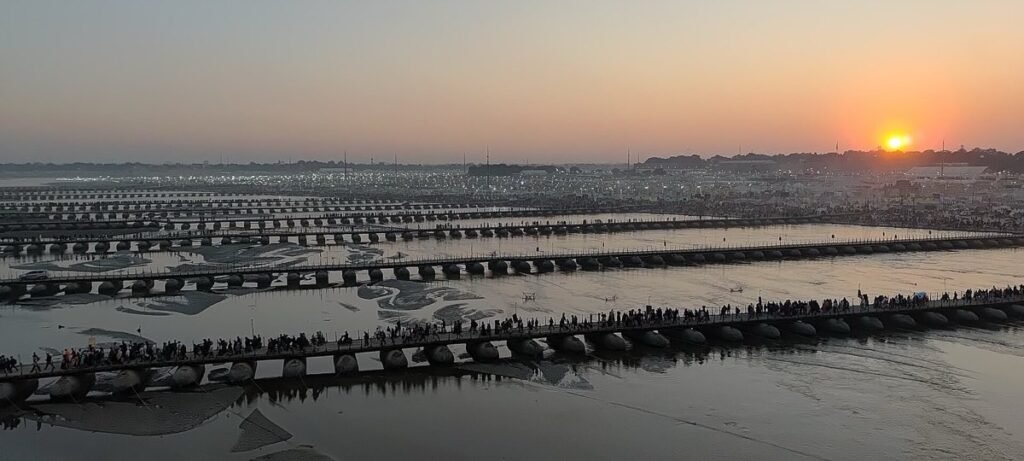
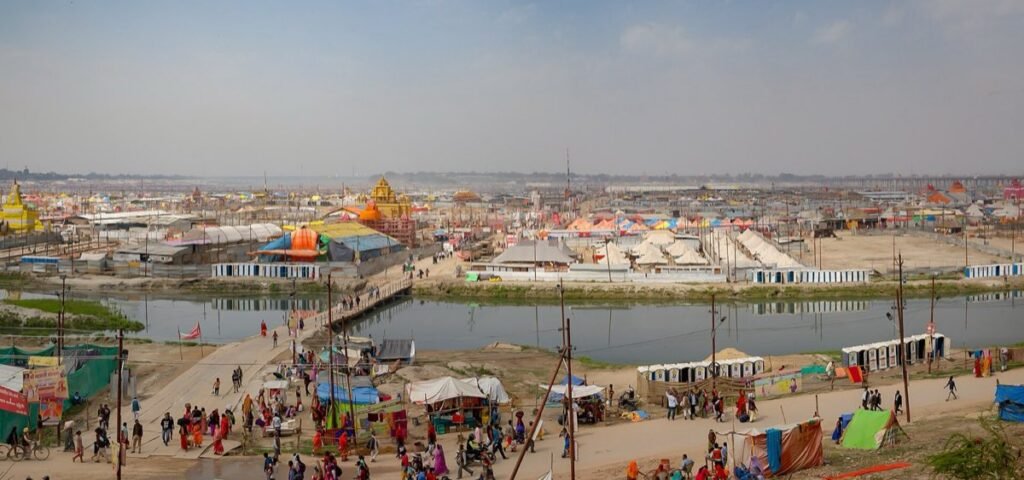
The rivers change with the season and the water level. Boat access, temporary platforms and the exact path to the bathing area also change. During a Kumbh, the Sangam becomes the centre of a much larger temporary city. Harvard research on the 2013 Kumbh shows how roads, camps, water and other services form a whole city that lasts only a short time.

Why is the Kumbh held at Prayagraj?

According to Kumbh tradition, Prayagraj is one of the four places linked with the pot of amrita (the nectar). The Sangam was also a place of pilgrimage long before the modern Kumbh. Historical records show that Prayag was an important sacred place. They do not prove that today’s four-place festival, and the way it is run, existed unchanged in every age.

For the shared story, see why the Kumbh is held in four places.

History and meaning

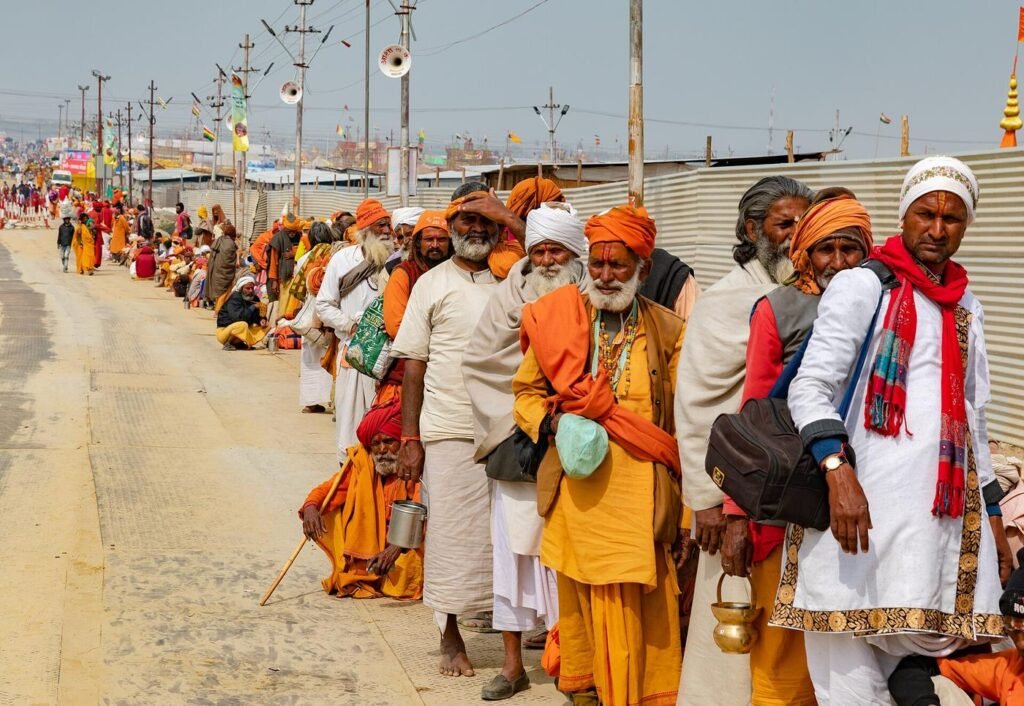
Sadhus in saffron and white standing in a long line for a meal in the Kumbh Mela camps at Prayagraj, 2019.Photo: Ninara, CC BY 2.0, via Wikimedia Commons
The mela ground at Prayag, today's Prayagraj, in an old picture. The size, name and layout of the mela have changed over time.

Pilgrims have come to the Sangam at Prayag for a very long time. The city and its public bodies changed under Mughal, colonial and post-independence rule. Historian Kama Maclean’s research matters here. It shows that the modern, organised mela was shaped by government, local religious leaders, printing and politics. It did not stay one unchanged event, outside history.

So two things are true at once:

  • Prayagraj has a deep sacred and pilgrimage history.
  • The size, name, management and layout of the Kumbh have changed over time.

The 1954 Kumbh was a major step for the government after independence. The 2013 Kumbh was studied in detail as a temporary city. The 2025 event was officially called Maha Kumbh.

Main ghats and sacred places

The Sangam and the fort riverfront

The Sangam is the main Kumbh area. Allahabad Fort stands nearby, on the Yamuna side. Entry around military or protected areas can be limited. An old visitor’s account does not mean you are allowed in today.

Patalpuri and Akshayavat

The underground Patalpuri temple and the Akshayavat tree are part of the sacred area in the fort. The belief that the tree cannot be destroyed, and stories of salvation linked to it, belong to religious tradition. Check the current entry rules locally.

Nag Vasuki Temple

The district overview places Nag Vasuki Temple in Daraganj, on the Ganga side, north of the Sangam. It is part of the wider pilgrimage circuit, not the bathing point in the middle of the river.

Veni Madhav and Daraganj

Veni Madhav is an important Madhav shrine in Daraganj. Prayagraj’s sacred area is much more than one photo of the Sangam. It includes whole neighbourhoods, temples and many riverbanks.

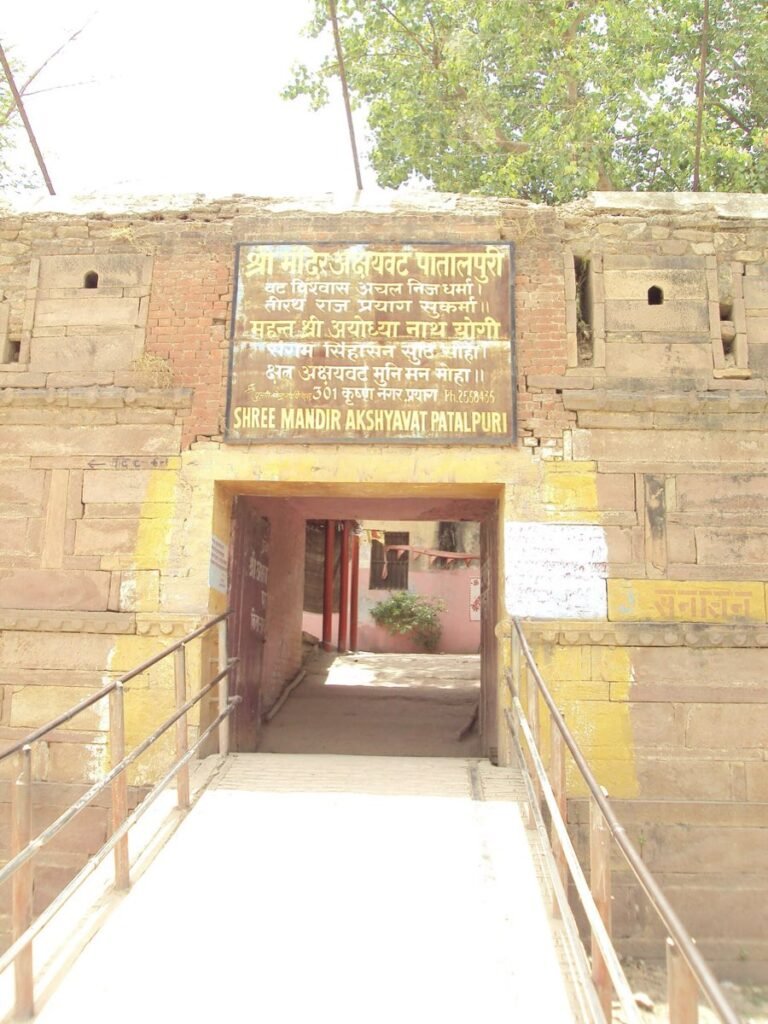
The entrance to the Akshayavat and Patalpuri Temple at Prayagraj Fort, with its name board above the doorwayPhoto: Nikhil2789, CC BY-SA 3.0, via Wikimedia Commons
A temple on Prayagraj's wider pilgrimage circuit. The sacred area is much more than the Sangam.

Kumbh, Ardh Kumbh and Maha Kumbh

Prayagraj shows why every Kumbh name needs a year and a source. Ardh Kumbh is the usual name for the gathering held about six years after a full Kumbh. But the 2019 event was officially called Kumbh. Government messages called the 2025 event Maha Kumbh. Older records should keep the names used in their own time.

“Maha Kumbh” is not the permanent name of the place. Do not use it to rank Prayagraj above Haridwar, Nashik–Trimbakeshwar or Ujjain. The guide to Kumbh names explains the differences.

Past and future Kumbh events

Maha Kumbh 2025 is over, and its details are now archived. Its bridges, sectors, routes, helplines, parking, crowd counts and entry controls are not current guidance. Do not work out the next date with a twelve-year shortcut. A future year or bathing date needs a dated notice from the authority.

Read the Kumbh cycle guide to see how timing works without guessing dates.

Getting there

Prayagraj has rail, road and air links. During an event, diversions change, and so does the use of each station. People reach the Sangam from different banks and approaches. The last part of the journey can mean walking, controlled transport or approved boats. Check the latest district, railway, police and mela news before you travel.

Do not rely on an old distance table during a future event. The water level, bridge positions and security zones can change the route on the ground.

Continue exploring

Sources

10 sources · checked 15 Jul 2026
  1. Kumbh Mela: Representative List of the Intangible Cultural Heritage of Humanity · UNESCO Intangible Cultural Heritage ·
  2. G20 Digital Museum: Culture Corridor Catalogue · Ministry of Culture, Government of India ·
  3. Kumbh Mela and Sangam · District Prayagraj, Government of Uttar Pradesh ·
  4. History of Prayagraj · District Prayagraj, Government of Uttar Pradesh ·
  5. Places of Interest: Prayagraj · District Prayagraj, Government of Uttar Pradesh ·
  6. Making the Colonial State Work for You: The Modern Beginnings of the Ancient Kumbh Mela in Allahabad · The Journal of Asian Studies / Cambridge University Press ·
  7. Pilgrimage and Power: The Kumbh Mela in Allahabad, 1765–1954 · Oxford University Press ·
  8. Kumbh Mela: Mapping the Ephemeral Mega-City · Harvard Graduate School of Design ·
  9. Know about Kumbh: Historical Significance · Press Information Bureau, Government of India ·
  10. Prayagraj: Blending Tradition with Modernity: 2025 Maha Kumbh Mela to Set New Global Standards · Press Information Bureau / Ministry of Culture, Government of India ·

Plan this trip with Tirth

Going to the Magh Mela 2027, Prayagraj? Tirth.com can plan it for you. We are taking bookings for the Kumbh, with packages, our own people on the ground and help from your first call to the bath. Leave your number and our yatra team will call you back.

  • Stay and travel planned around your bathing day
  • Our own people on the ground at the mela
  • No payment to enquire

By tapping Call me back you agree that Tirth.com may call or WhatsApp you about this trip. No payment now. Privacy

Calls between 10:30 am and 7:30 pm IST, usually the same working day.

From Tirth.com, which runs this guide · How this works