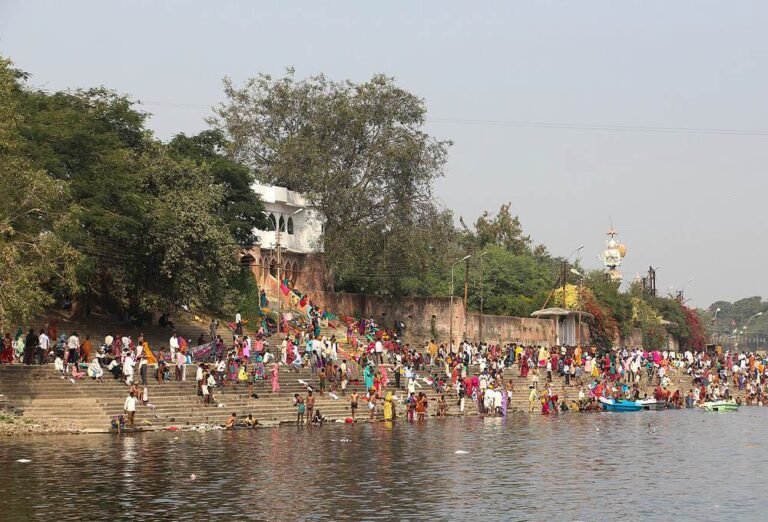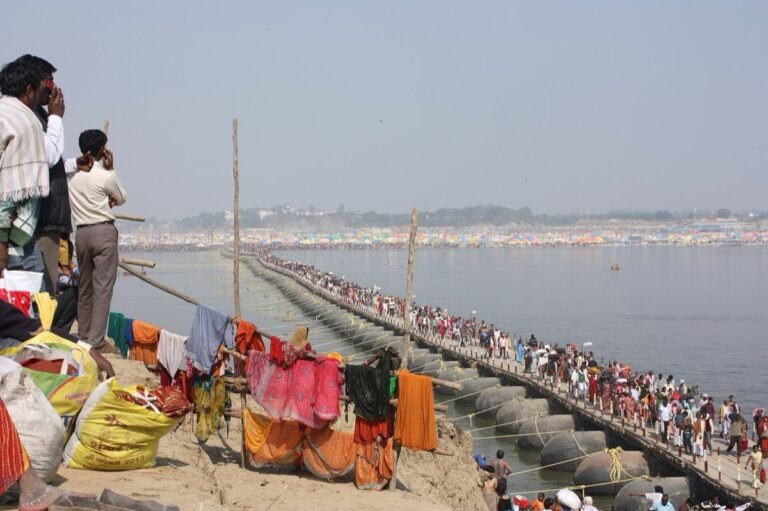
In December 2017, UNESCO added Kumbh Mela to its Representative List of the Intangible Cultural Heritage of Humanity. The listing recognises the Kumbh as a living tradition of ritual, knowledge and social practice. It does not make the Kumbh a World Heritage Site, and it does not put UNESCO in charge of any mela.
What UNESCO listed, and when
India nominated the Kumbh, and UNESCO’s Intergovernmental Committee for the Safeguarding of the Intangible Cultural Heritage inscribed it at its 12th session, held on Jeju Island in the Republic of Korea from 4 to 9 December 2017. The Prayagraj district administration published the news on 7 December 2017. The Committee found that the nomination met all five of its criteria.
UNESCO’s record files the Kumbh under social practices, rituals and festive events, and calls it “the largest peaceful congregation of pilgrims on earth”. It names the four cities, using the older names Allahabad and Nasik alongside Haridwar and Ujjain. It describes bathing in a sacred river as the centre of the festival, and records the belief that the bath frees devotees from sin.
The record also says who keeps the tradition alive. It names akharas and ashrams, religious organisations and people who live on alms as the main bearers, with pilgrims and visitors taking part. It says knowledge passes on through religious manuscripts, oral tradition, travel accounts and historians’ writing, and above all through the teacher and student relationship of sadhus in ashrams and akharas. The Kumbh had also been placed in India’s own National Inventory of Intangible Cultural Heritage in 2016, kept by the Sangeet Natak Akademi.
What the listing means
The list comes from UNESCO’s 2003 Convention for the Safeguarding of the Intangible Cultural Heritage. The Convention says the Representative List exists to give such heritage more visibility, raise awareness of why it matters and encourage dialogue that respects cultural diversity. UNESCO describes intangible heritage as traditional, contemporary and living at the same time, and as heritage only when the communities who carry it recognise it as theirs.
So the listing is about people and practice: the bath, the rituals, the akharas and the way sadhus teach. It is not about a building or a single place. The Committee made two points that matter for every Kumbh since:
- It asked India to avoid words such as “intact” and “purest form” in describing the Kumbh, because living traditions are constantly recreated.
- It encouraged India to take the risks of tourism and growing visitor numbers, including harm to the environment, into account when protecting the tradition.
India has other traditions on the same list, among them Ramlila and Vedic chanting (2008), Ramman of the Garhwal Himalayas (2009), Yoga (2016), Durga Puja in Kolkata (2021), Garba of Gujarat (2023) and Deepavali (2025).
What the listing does not mean
- It is not a World Heritage Site. The 2003 Convention is separate from UNESCO’s 1972 convention on world cultural and natural heritage, which it names in its own opening.
- UNESCO does not run the mela. Under the Convention, each country takes the steps to safeguard heritage on its own territory. The Committee’s decision notes that government and non-government organisations handle security, accommodation, sanitation and transport. See who runs a Kumbh.
- It does not settle history or dates. The listing does not rule on how old the Kumbh is. UNESCO’s summary says the festival moves between the four cities every four years, but real gaps vary: Haridwar and Nashik both hold theirs in 2027, and Ujjain’s is proposed for 2028. Dates come from each mela authority.
- It says nothing about any camp, tour or booking. The listing is about a tradition, not a business. Check any offer before you pay, using our booking check.
Where to read more
Our history of the Kumbh Mela places the 2017 listing in the longer story, and the pages on akharas and the four Kumbh places explain the people and rivers the UNESCO record describes.
Sources
- Kumbh Mela: Representative List of the Intangible Cultural Heritage of Humanity · UNESCO Intangible Cultural Heritage ·
- Decision of the Intergovernmental Committee: 12.COM 11.b.12 (Kumbh Mela, India) · UNESCO Intangible Cultural Heritage ·
- Inscription of Kumbh Mela on the Representative List of Intangible Cultural Heritage of Humanity · District Prayagraj, Government of Uttar Pradesh ·
- Text of the Convention for the Safeguarding of the Intangible Cultural Heritage (2003) · UNESCO Intangible Cultural Heritage ·
- Purpose of the Lists of Intangible Cultural Heritage and of the Register of Good Safeguarding Practices · UNESCO Intangible Cultural Heritage ·
- What is Intangible Cultural Heritage? · UNESCO Intangible Cultural Heritage ·
- India: elements on the Lists of Intangible Cultural Heritage · UNESCO Intangible Cultural Heritage ·
- Snan and Events: Haridwar Kumbh 2027 (official website) · Haridwar Kumbh Mela administration, Government of Uttarakhand ·
- Kumbh Mela Plan (First Edition): Nashik–Trimbakeshwar Simhastha Kumbh Mela 2027 · Nashik–Trimbakeshwar Kumbh Mela Authority, Office of the Divisional Commissioner, Nashik, Government of Maharashtra ·
- MP Simhastha Kumbh 2028: ₹25k Cr Infrastructure Push For 40Cr Devotees, Says CM Yadav · Deccan Chronicle ·
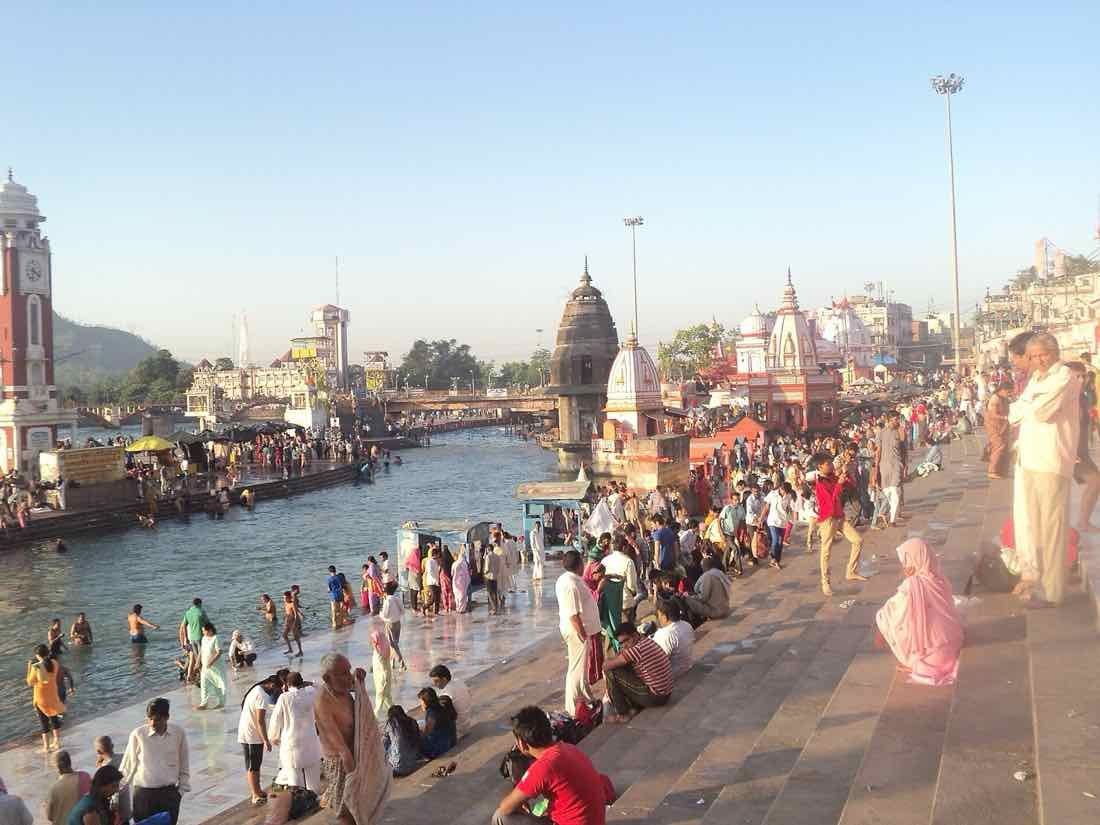 Photo: Subhankar Banerjee, CC BY-SA 4.0