
Each Kumbh place has its own river: the Ganga at Haridwar, the Sangam of the Ganga and the Yamuna at Prayagraj (with the unseen Saraswati, in tradition), the Godavari at Nashik and Trimbakeshwar, and the Shipra at Ujjain.
| Place | River | Where the water comes from | Main bathing place |
|---|---|---|---|
| Haridwar | Ganga | Rises as the Bhagirathi at the Gangotri glacier and becomes the Ganga at Devprayag, where the Alaknanda joins | Har Ki Pauri and Brahmakund |
| Prayagraj | Ganga and Yamuna, with the Saraswati in tradition | The Yamuna rises at the Yamunotri glacier and joins the Ganga at the Sangam | The Sangam |
| Nashik and Trimbakeshwar | Godavari | Rises near the Trimbak hills in Nashik district and flows about 1,465 km to the Bay of Bengal | Ramkund in Nashik, Kushavarta in Trimbakeshwar |
| Ujjain | Shipra (Kshipra) | A tributary of the Chambal, which in turn joins the Yamuna | Ram Ghat and the Shipra ghats |
Haridwar: where the Ganga leaves the mountains
The official Haridwar Kumbh website explains the town’s place in one line: at Haridwar the Ganga leaves the Himalaya and enters the plains. The river has already come a long way. The Government of India’s water resources service says it rises as the Bhagirathi at the Gangotri glacier, at about 7,010 m in Uttarkashi district, and takes the name Ganga after the Alaknanda joins it at Devprayag.
The Kumbh centres on Har Ki Pauri, which Uttarakhand Tourism translates as “the footsteps of the gods”. By tradition, drops of amrit fell at Brahmakund within Har Ki Pauri after the churning of the ocean. The state tourism board lists Gangadwara, that is Har Ki Pauri, among the Panch Tirth, Haridwar’s five holy places. See the Haridwar ghats guide.
Prayagraj: where the rivers meet
At Prayagraj the Kumbh is held at the Sangam, the meeting of the Ganga and the Yamuna. The Prayagraj district describes the brown water of the Ganga meeting the green water of the Yamuna, with the mythical Saraswati unseen and believed to flow underground, and calls the Sangam Tirtharaj, the king of tirthas. In 1909 the Imperial Gazetteer noted that the two streams can be told apart well below the confluence.
The Yamuna is itself a Himalayan river. It rises at the Yamunotri glacier, also in Uttarkashi district, and meets the Ganga here. Prayagraj also holds the yearly Magh Mela at the Sangam, and in a Kumbh year that mela is part of the Kumbh. See the Sangam at Prayagraj.
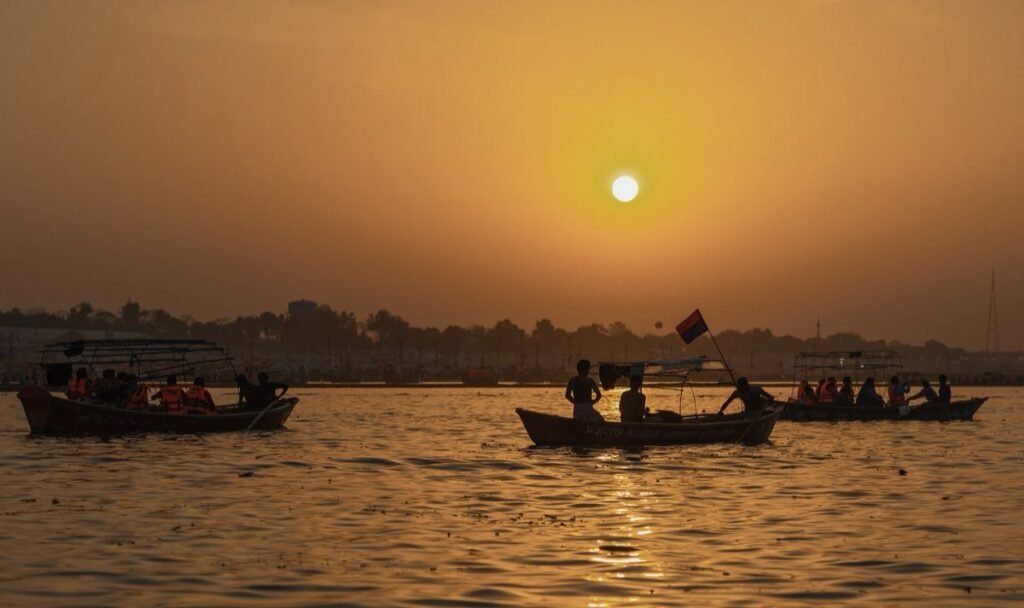 Photo: Ninara from Helsinki, Finland, CC BY 2.0, via Wikimedia Commons
Going to the Kumbh? Tirth.com can plan it for you. We are taking bookings for the Kumbh, with packages, our own people on the ground and help from your first call to the bath. Leave your number and our yatra team will call you back.
- Stay and travel planned around your bathing day
- Our own people on the ground at the mela
- No payment to enquire
Calls between 10:30 am and 7:30 pm IST, usually the same working day.
From Tirth.com, which runs this guide · How this works
Nashik and Trimbakeshwar: the source of the Godavari
The Godavari is the largest river of peninsular India. The Central Water Commission says it rises at 1,067 m in the Western Ghats near the Trimbak hills in Nashik district and flows about 1,465 km south-east to the Bay of Bengal. The Nashik district calls it the sacred river of the south, Dakshin Ganga, and tells the tradition that the sage Gautama’s penance at Trimbakeshwar brought the Ganga down as the Godavari.
This Kumbh has two centres on the same river. At Trimbakeshwar, pilgrims treat Brahmagiri hill as the river’s source and Gangadwar, a cave shrine on the hill, as the place it first appears. Kushavarta, a kund built in 1750 in the town, is said to be where the river emerges again. Downstream, Ramkund is the main ghat in Nashik city. According to the Nashik district, the Vaishnava akharas bathe at Nashik and the Shaiva and Udasin akharas at Trimbakeshwar. Read why Nashik and Trimbakeshwar form two Kumbh centres.
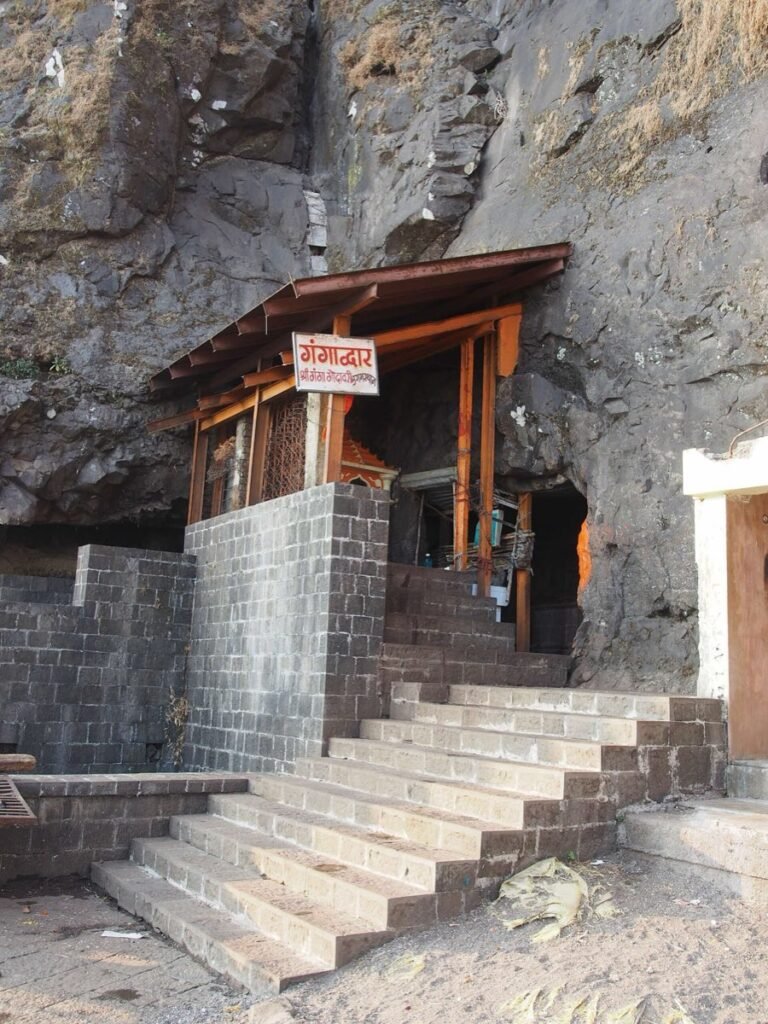 Photo: Pradeep717, CC BY-SA 4.0, via Wikimedia Commons
Ujjain: the north-flowing Shipra
Ujjain’s river is the Shipra, also written Kshipra. A Government of India feature on the 2016 Simhastha called it the north-flowing Kshipra, and the water resources service lists it as a tributary that joins the Chambal from the right in Madhya Pradesh; the Chambal later joins the Yamuna. According to one legend the river was born from the blood of Bhagwan Vishnu, and Madhya Pradesh Tourism tells the story that drops of amrit fell here too.
The river’s water is part of the 2028 plans. The Madhya Pradesh government said in 2025 that water from the Gambhir and Narmada rivers had been used at earlier Simhasthas because the Shipra ran short, and that new projects are meant to let pilgrims bathe in Shipra water in 2028. Ram Ghat is the central bathing place. See the Ujjain Simhastha ghats.
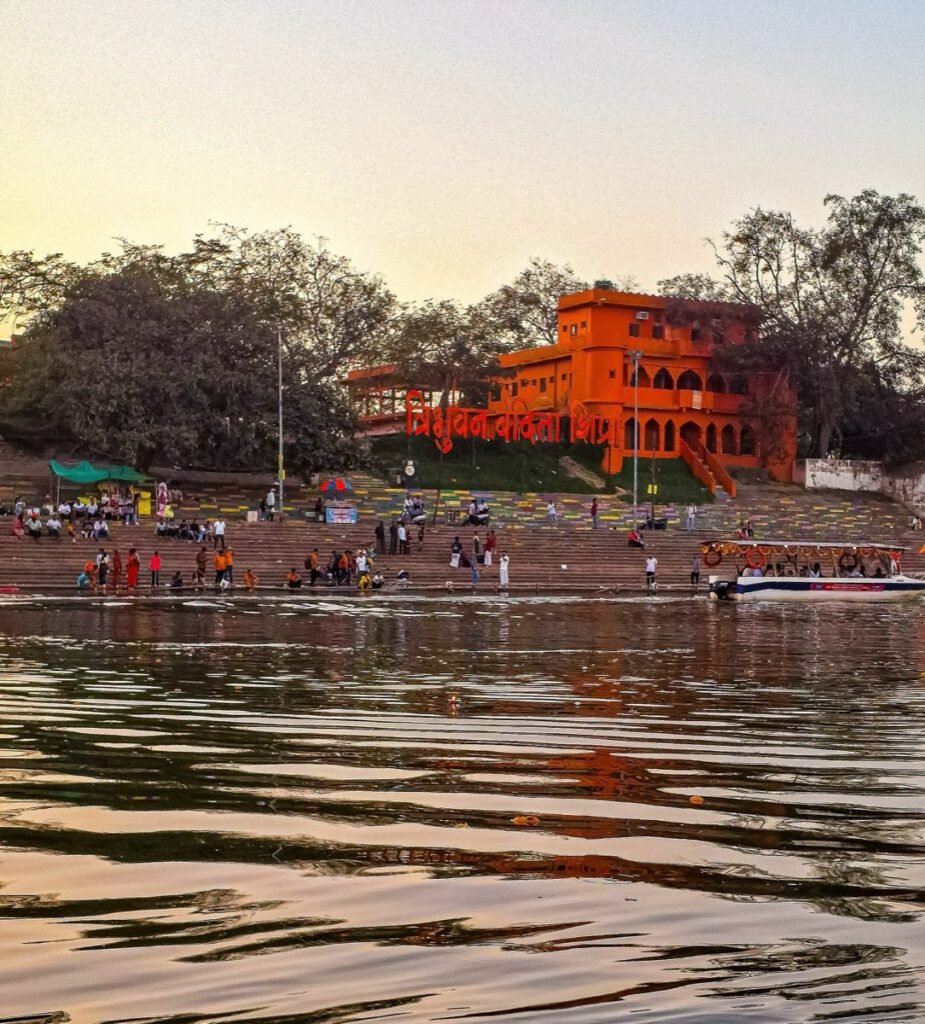 Photo: Snay015, CC BY-SA 4.0, via Wikimedia Commons
Why these four rivers
Tradition links the four places through the story of the pot of amrit: drops fell at Haridwar, Prayagraj, Nashik and Ujjain, as the official Haridwar site retells it. Tradition also ties each Kumbh to the positions of Jupiter and the Sun, so the four fall in different years and seasons. The coming melas show it: Haridwar’s eleven bathing days run from Thu 14 January to Tue 20 April 2027, Nashik’s Amrit Snans fall in the monsoon in August and September 2027, and Ujjain’s Simhastha is proposed for 27 March to 27 May 2028.
A map can show the four cities and their rivers, but not routes, distances on the day or rules. For those, use the guides: Haridwar 2027, Nashik 2027, Ujjain 2028 and Prayagraj. For the story behind the four places, read why Kumbh is held at four locations.
Sources
28 sources · checked 18 Oct 2026
- Prayagraj: Blending Tradition with Modernity: 2025 Maha Kumbh Mela to Set New Global Standards · Press Information Bureau / Ministry of Culture, Government of India ·
- Culture and Heritage: Simhastha Kumbhamela · Nashik District, Government of Maharashtra ·
- Significance of the Kumbh (Haridwar Kumbh 2027 official website) · Haridwar Kumbh Mela administration, Government of Uttarakhand ·
- Ganga (India-WRIS wiki: basin, river system and topography) · India Water Resources Information System (India-WRIS), Ministry of Jal Shakti ·
- Haridwar · Uttarakhand Tourism Development Board, Government of Uttarakhand ·
- Har Ki Pauri, Haridwar: A Spiritual Oasis by the Ganges · Incredible India, Ministry of Tourism, Government of India ·
- History: Haridwar · District Haridwar, Government of Uttarakhand ·
- Places of Interest (Sangam, Allahabad Fort, Patalpuri and Akshaya Vat) · District Prayagraj, Government of Uttar Pradesh ·
- Kumbh Mela and Sangam · District Prayagraj, Government of Uttar Pradesh ·
- Places to see (Maha Kumbh 2025 official website) · Prayagraj Mela Authority, Government of Uttar Pradesh ·
- The Imperial Gazetteer of India, 1909, vol. 1, p. 24: The Ganges and the Jumna (Digital South Asia Library page image) · Government of India (1909); Digital South Asia Library, University of Chicago ·
- Yamuna River System (India-WRIS wiki): the Yamuna, the Chambal and the Sipra · India Water Resources Information System (India-WRIS), Ministry of Jal Shakti, Government of India ·
- The Godavari River System (About Godavari Basin) · Central Water Commission, Krishna and Godavari Basin Organisation, Government of India ·
- Culture and Heritage: Simhastha Kumbhamela, Godavari and the akhara arrangement (Nashik district) · Nashik District, Government of Maharashtra ·
- Trimbakeshwar Darshan Feri - Brahmagiri Pradakshina · Incredible India, Ministry of Tourism, Government of India ·
- Kushavart Tirtha: Trimbakeshwar · Nashik District, Government of Maharashtra ·
- Ramkund Nashik · Nashik District, Government of Maharashtra ·
- Ujjain Simhastha 2016: Novelities and Specialities · Press Information Bureau (Special Service and Features) ·
- The legend of Simhastha · Madhya Pradesh Tourism Board ·
- Kshipra river will be clean and perennial: Dr. Yadav · Directorate of Public Relations, Government of Madhya Pradesh (mpinfo.org) ·
- Kshipra will be clean, uninterrupted and flowing due to the state's unique Kanh Diversion and other integrated projects: CM Dr. Yadav · Directorate of Public Relations, Government of Madhya Pradesh (mpinfo.org) ·
- Culture and Heritage: Ujjain · District Ujjain, Government of Madhya Pradesh ·
- Astrological Significance (Maha Kumbh 2025 official website) · Prayagraj Mela Authority, Government of Uttar Pradesh ·
- Snan and Events: Haridwar Kumbh 2027 (official website) · Haridwar Kumbh Mela administration, Government of Uttarakhand ·
- Kumbh Mela Plan (First Edition): Nashik–Trimbakeshwar Simhastha Kumbh Mela 2027 · Nashik–Trimbakeshwar Kumbh Mela Authority, Office of the Divisional Commissioner, Nashik, Government of Maharashtra ·
- MP Simhastha Kumbh 2028: ₹25k Cr Infrastructure Push For 40Cr Devotees, Says CM Yadav · Deccan Chronicle ·
- Culture & Heritage: Prayagraj (Annual Magh Mela) · District Prayagraj, Government of Uttar Pradesh ·
- Kumbh Mela Plan (First Edition), Nashik Trimbakeshwar Simhastha Kumbh Mela 2027: schedule, framework, chapters and financial outlays · Nashik-Trimbakeshwar Kumbh Mela Authority, Office of the Divisional Commissioner, Nashik, Government of Maharashtra ·
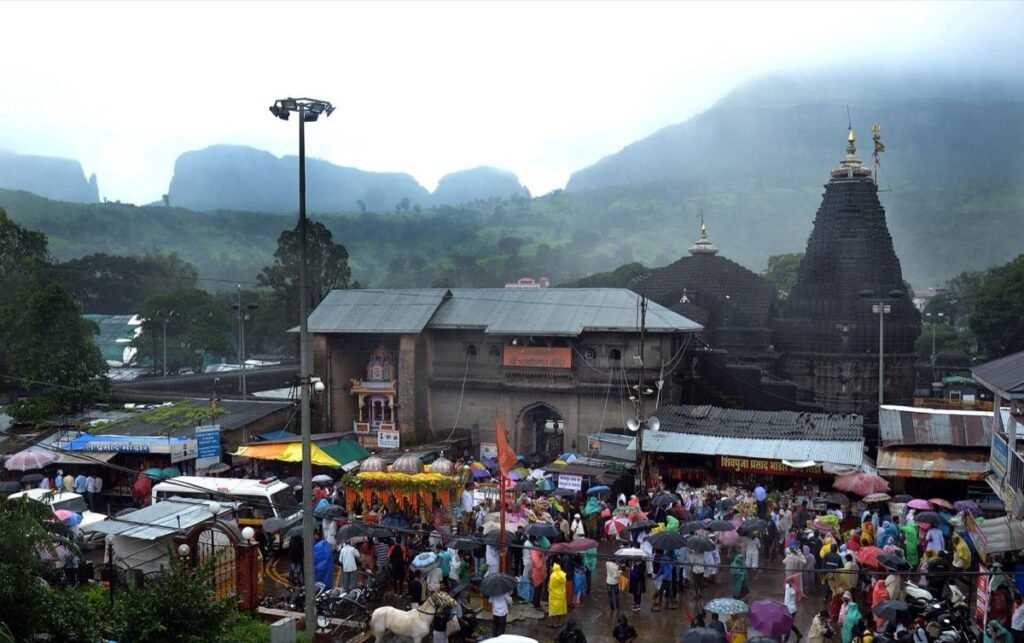 Photo: Prashant Kharote, CC BY-SA 4.0
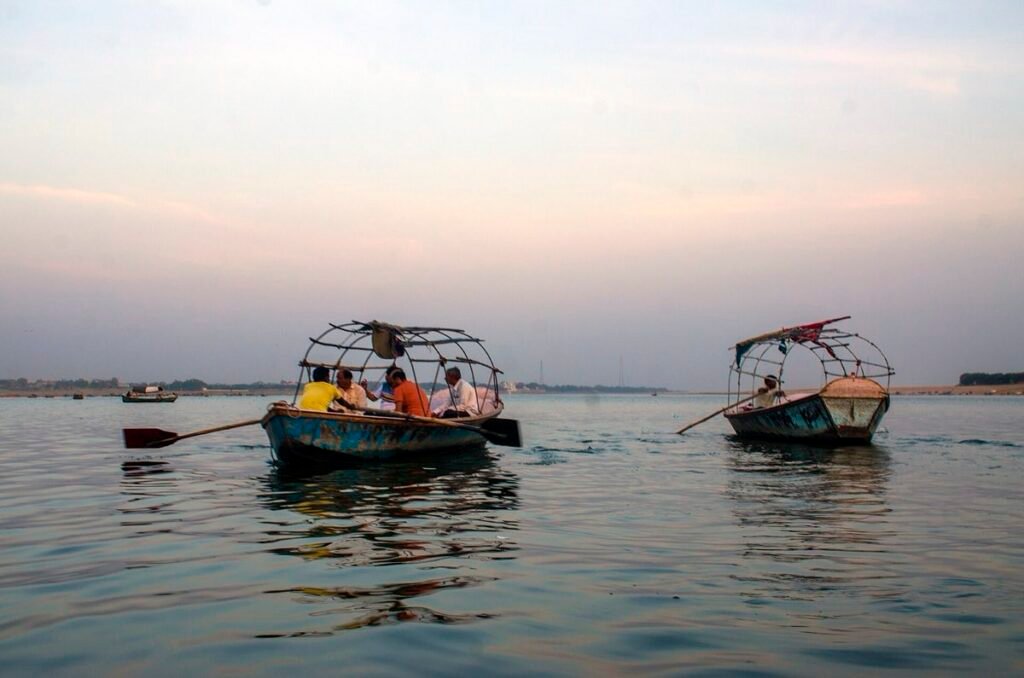 Photo: Rangan Datta Wiki, CC BY-SA 4.0
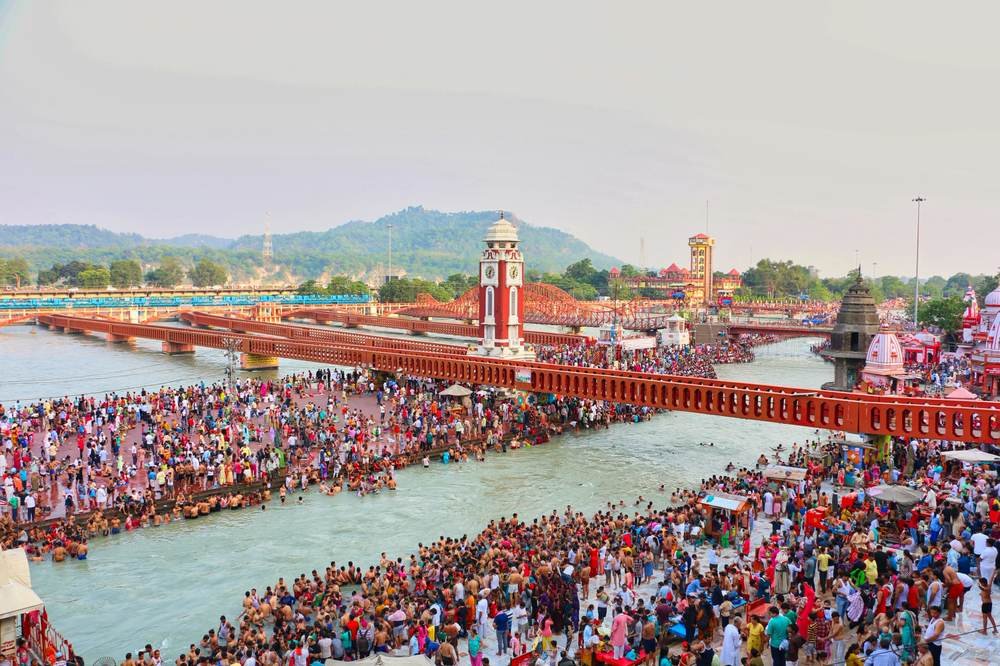 Photo: Tirth
